ON ECUADOR
If you haven’t been able to tell from the rapid succession of blog posts these past two months, I’m on a furious mission to clear my backlog of trips taken but not written about before the clock strikes midnight (read: before 2026). This is my last post of the year, outlining the last international trip I took in 2025, Ecuador!
I pray this post doesn’t feel hasty but I’m writing on a deadline. How the creatives do it, I’ll never know.
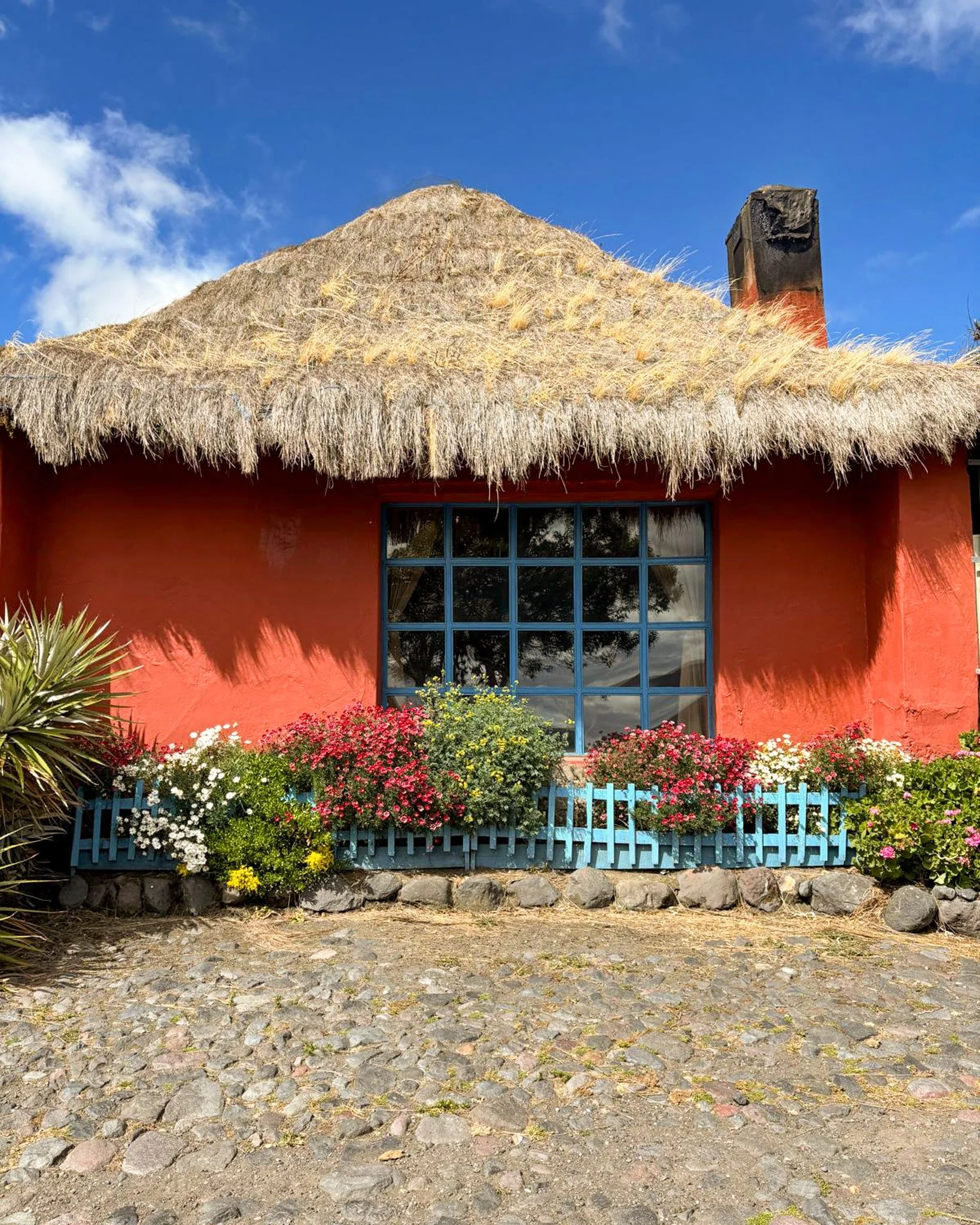
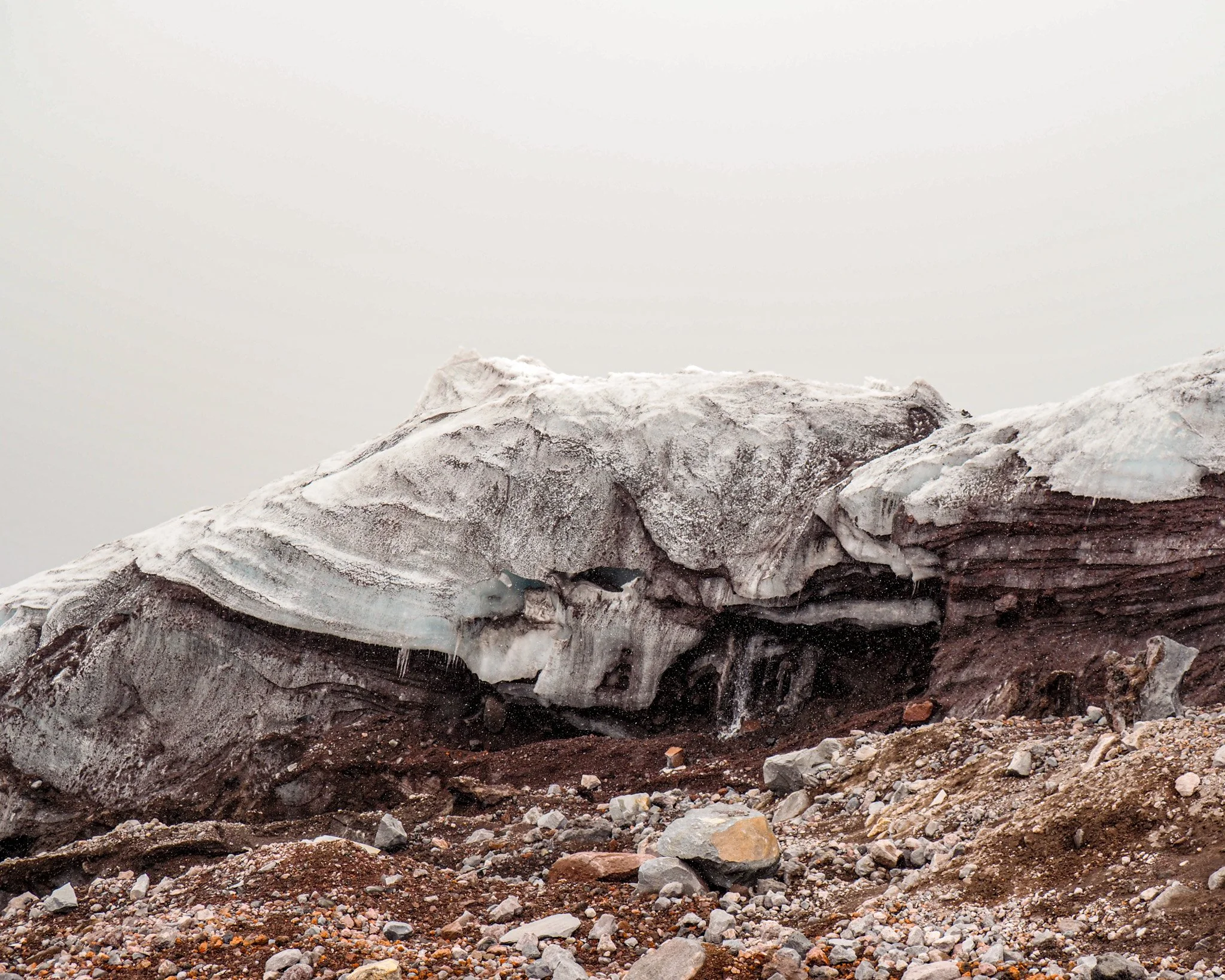
In September, Anna and I passed a perfect ten days in Ecuador. We started and ended in Quito, and visited Cotopaxi National Park, Baños & Yasuní National Park in the interim.
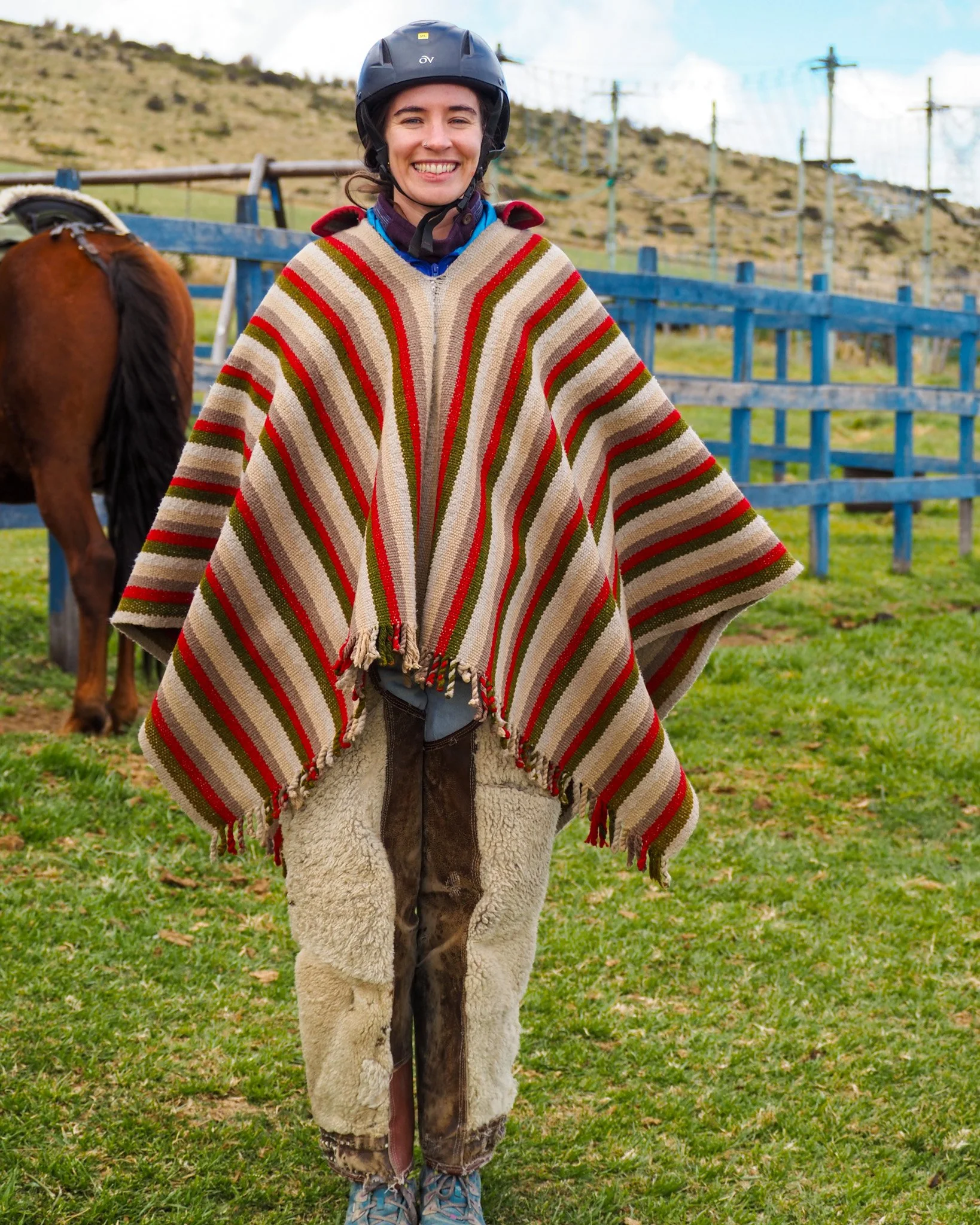
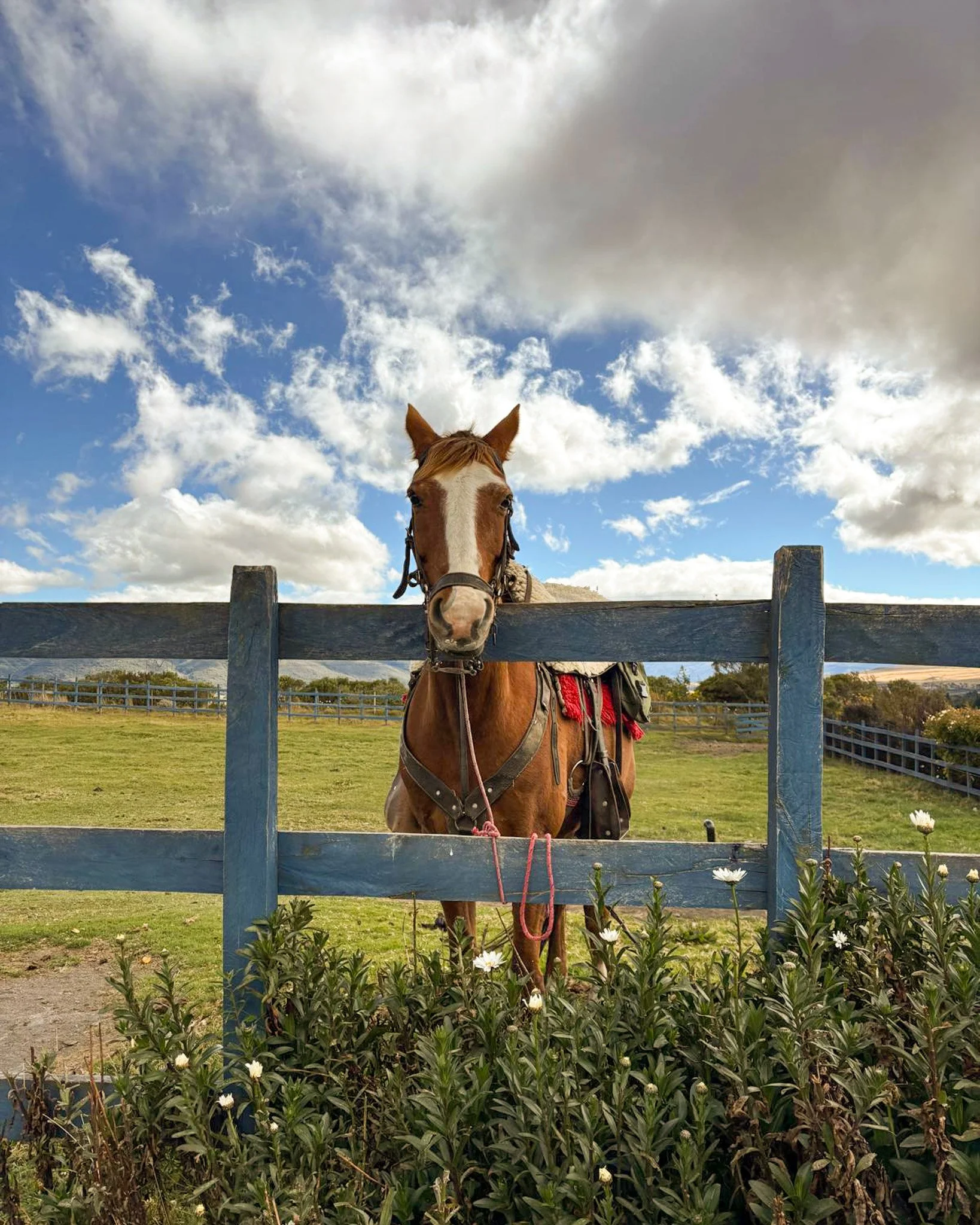
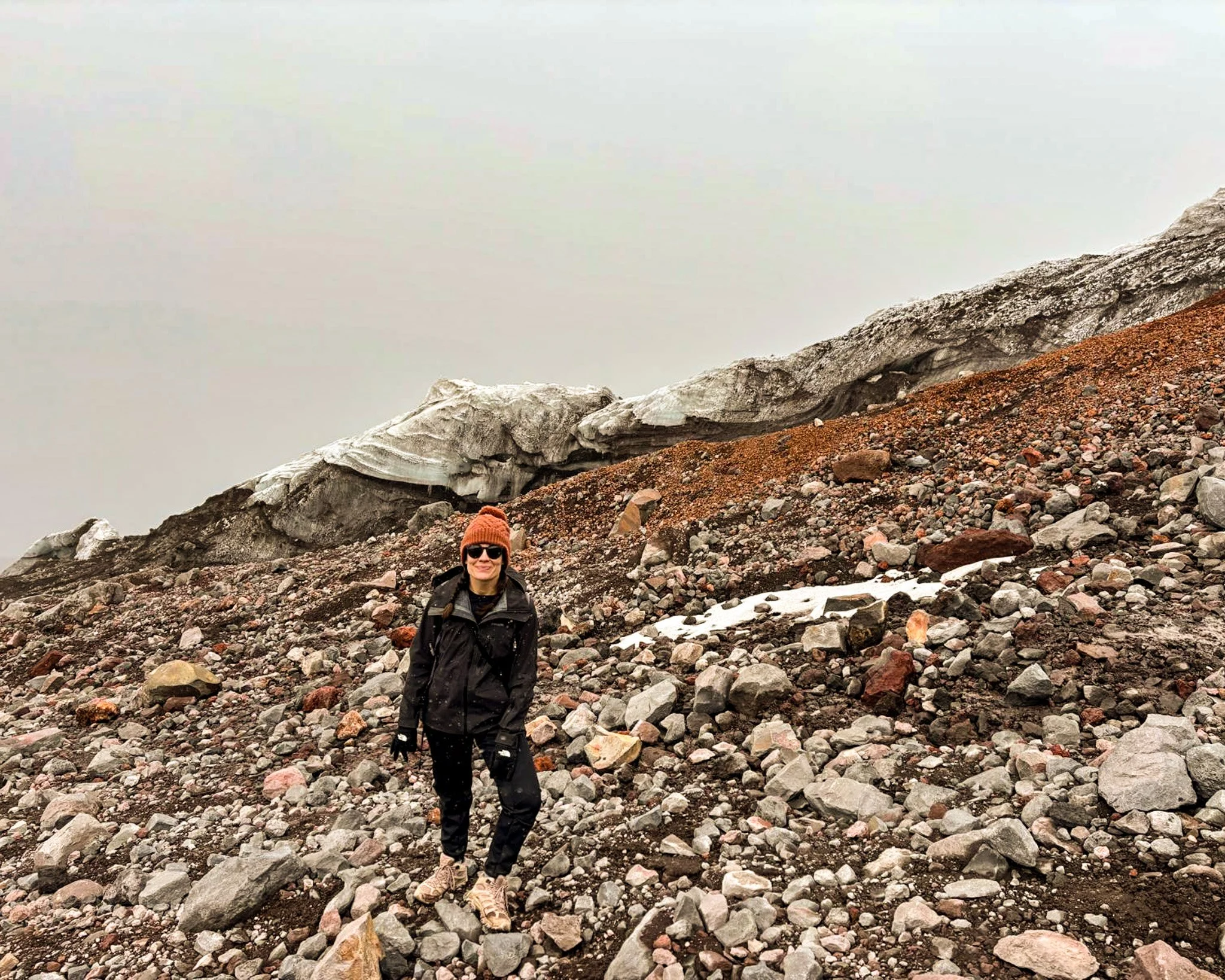
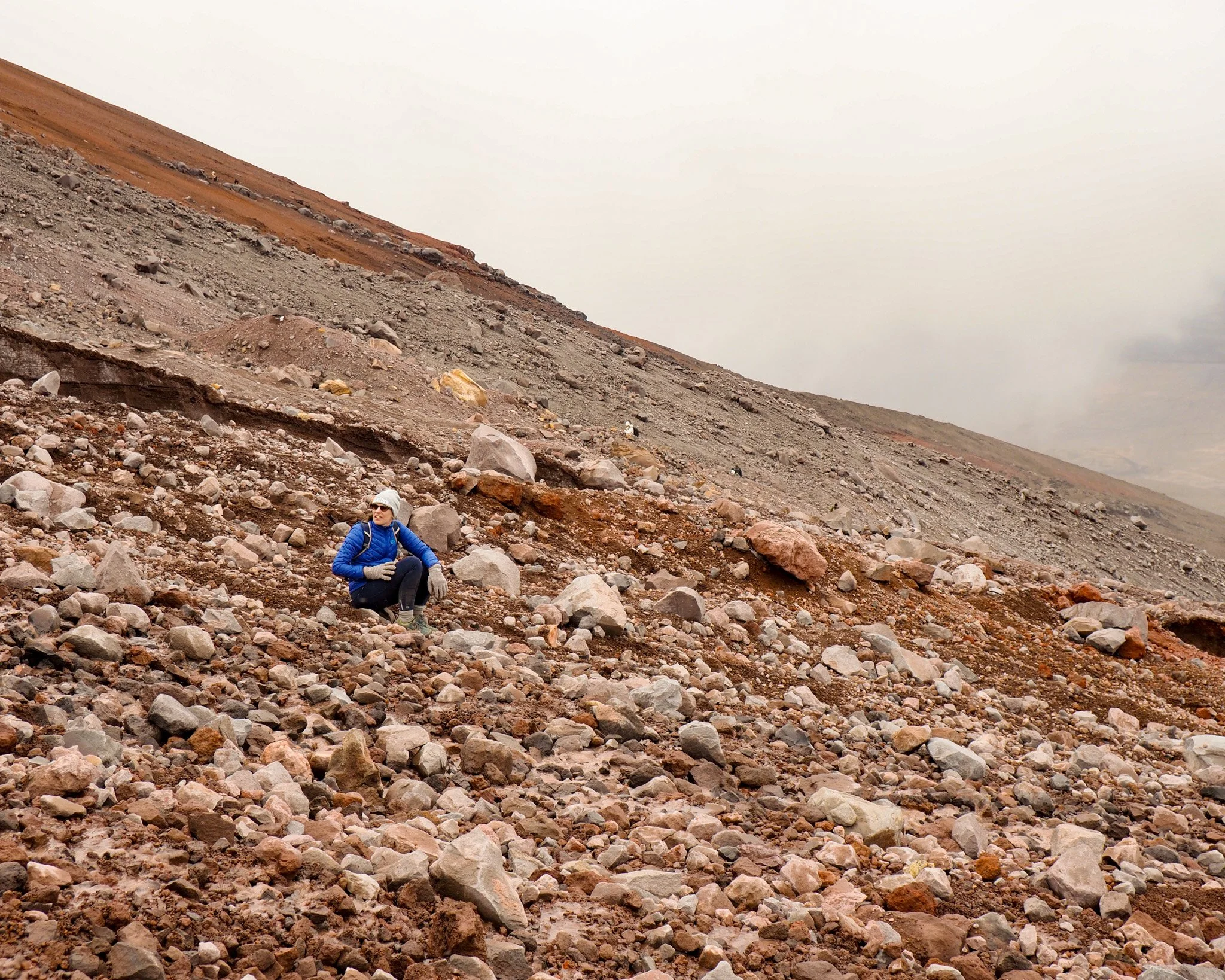
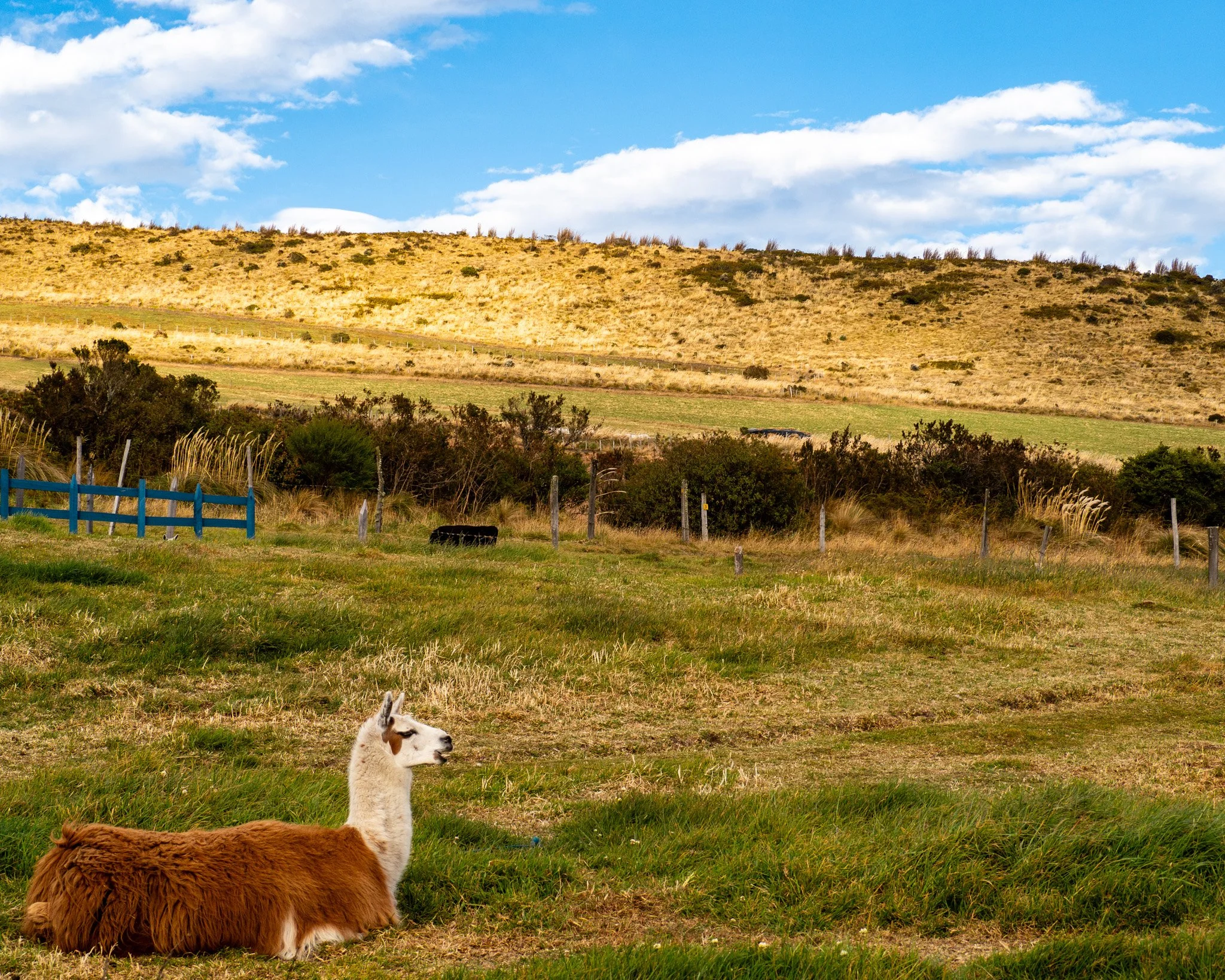
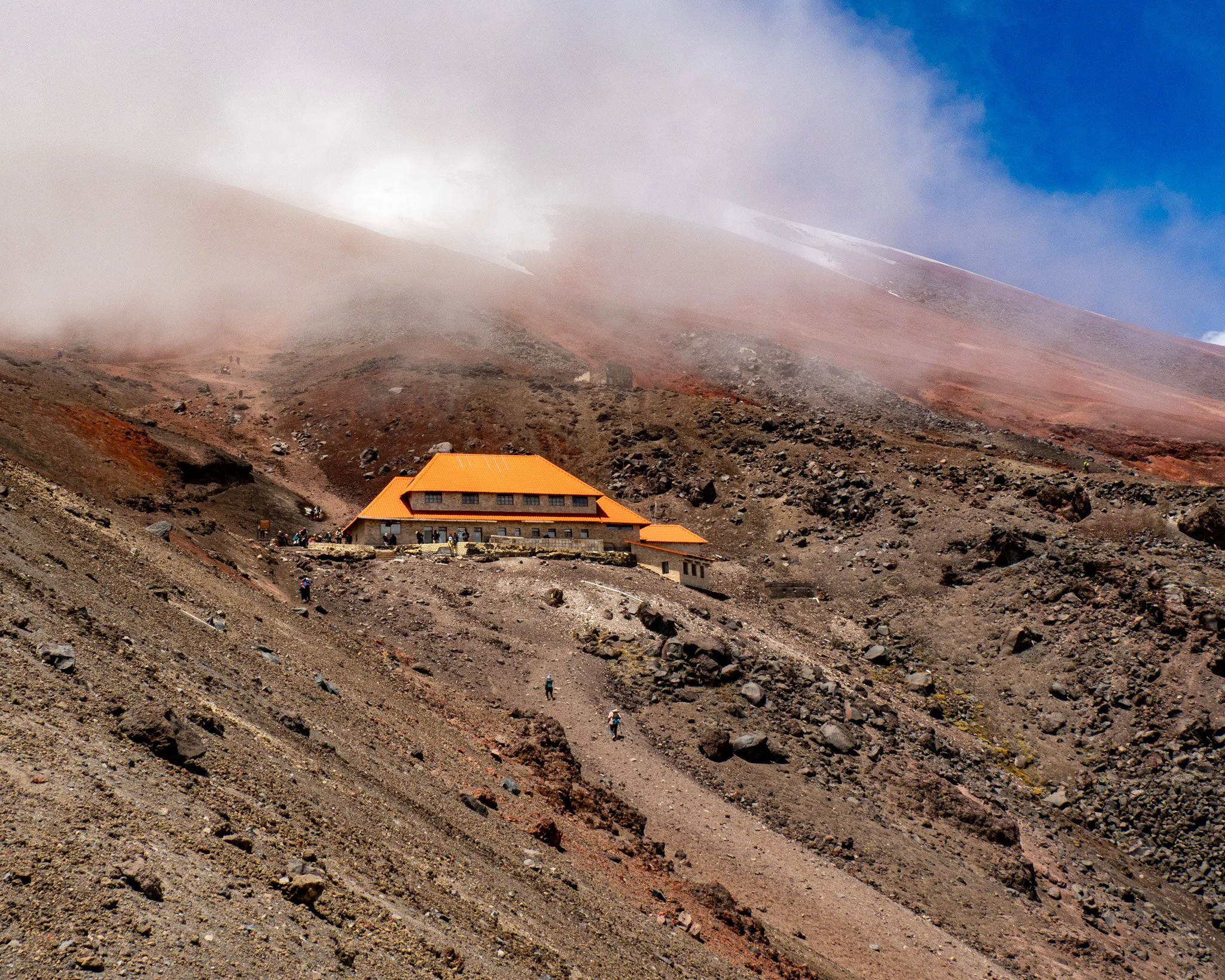
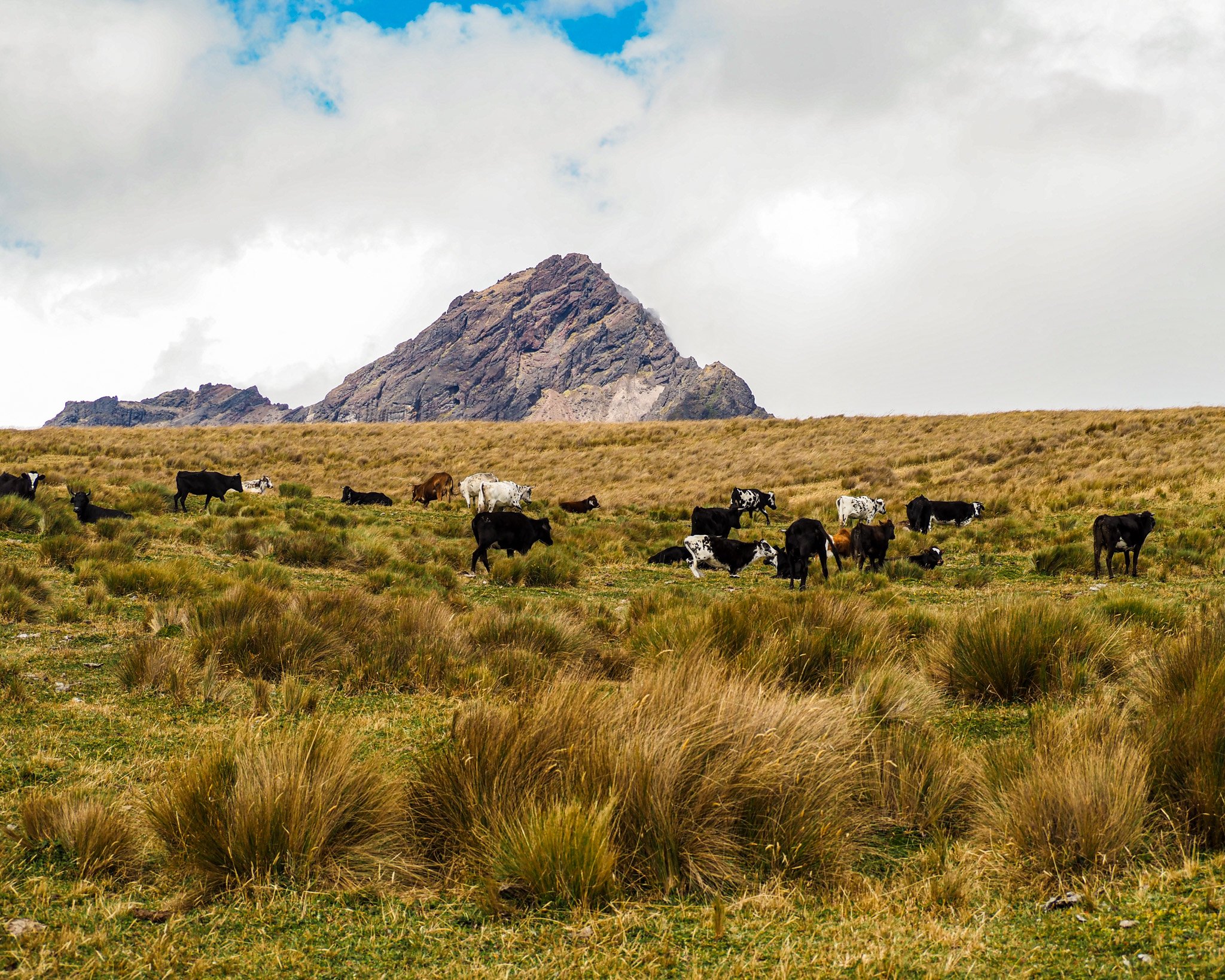
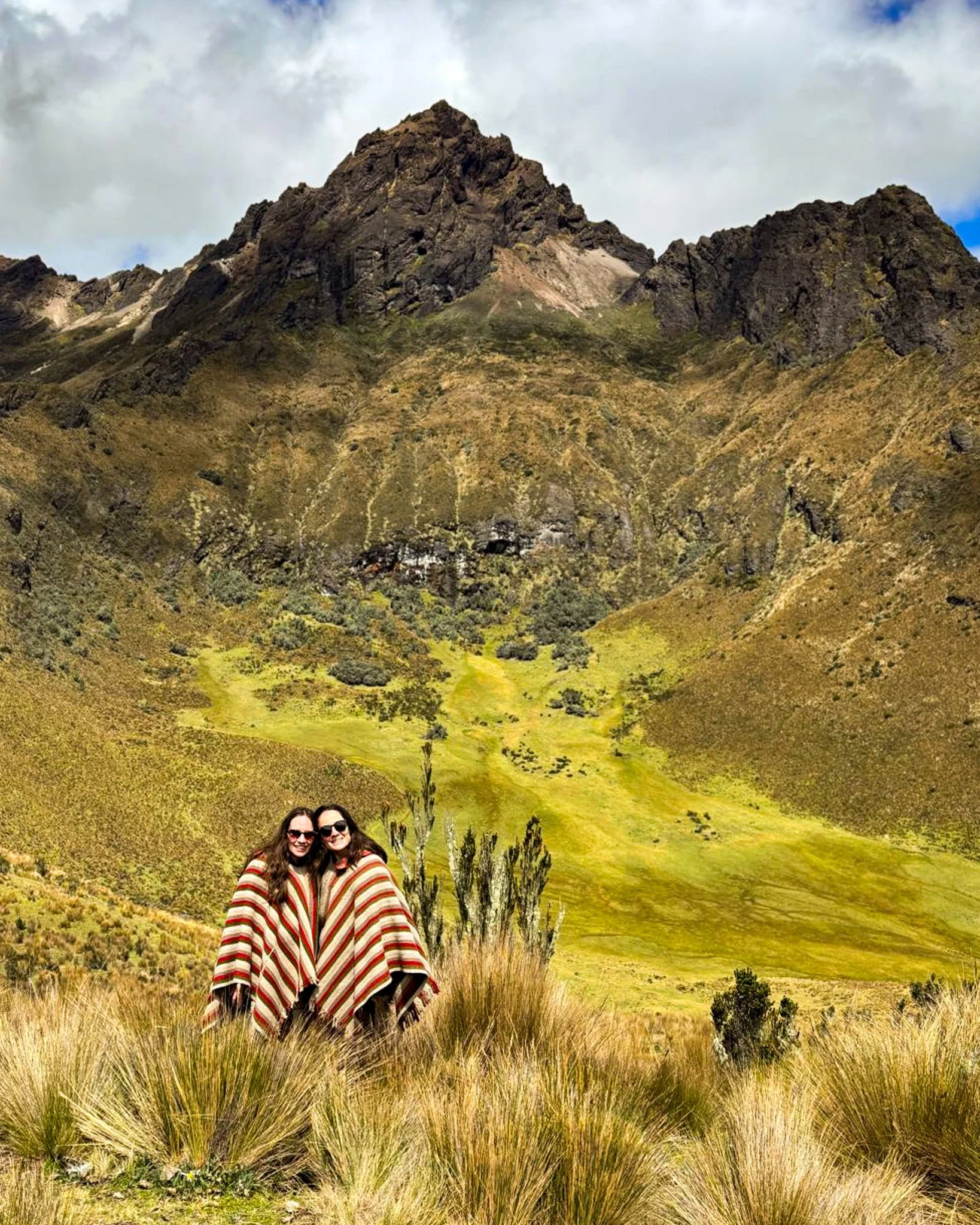
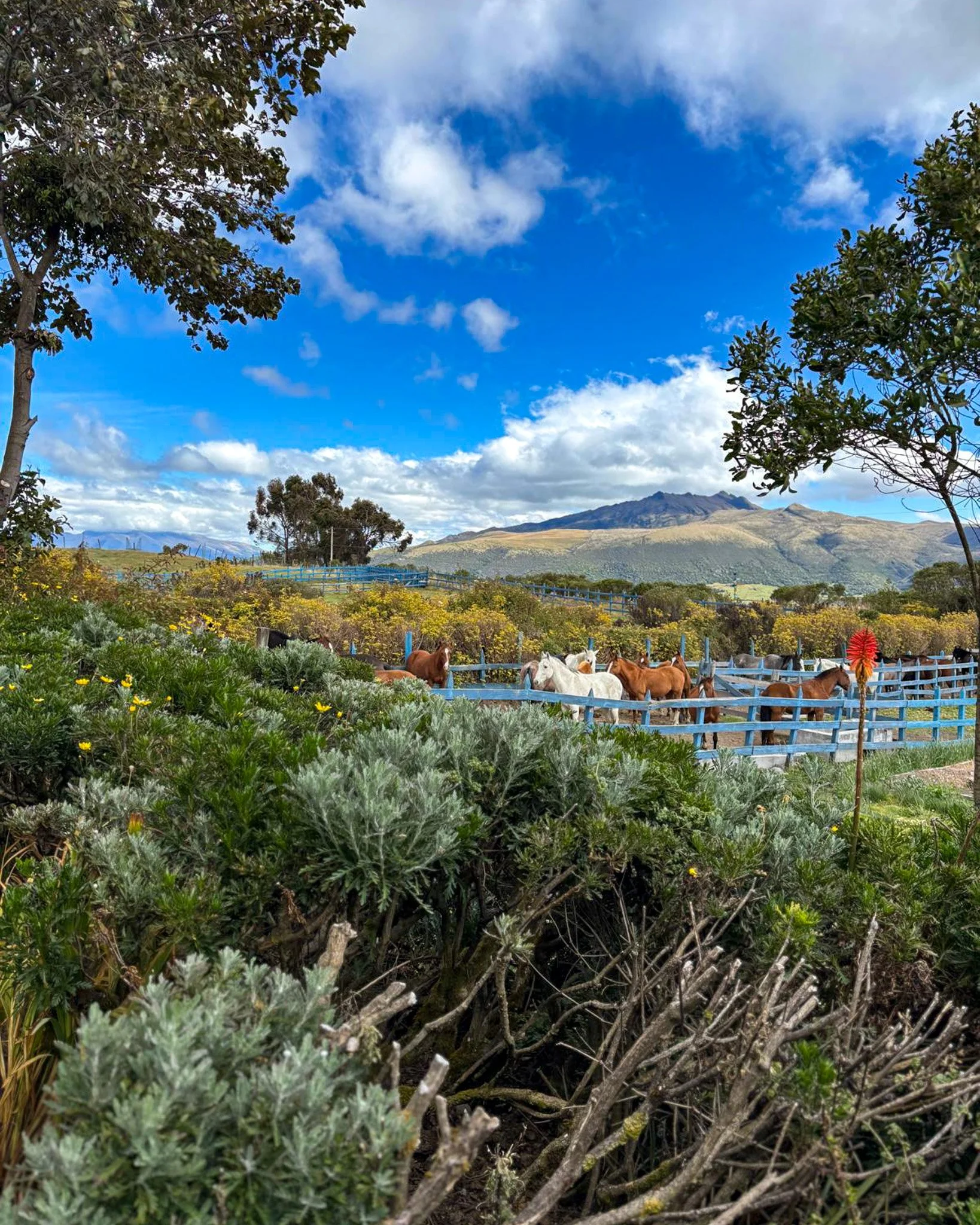
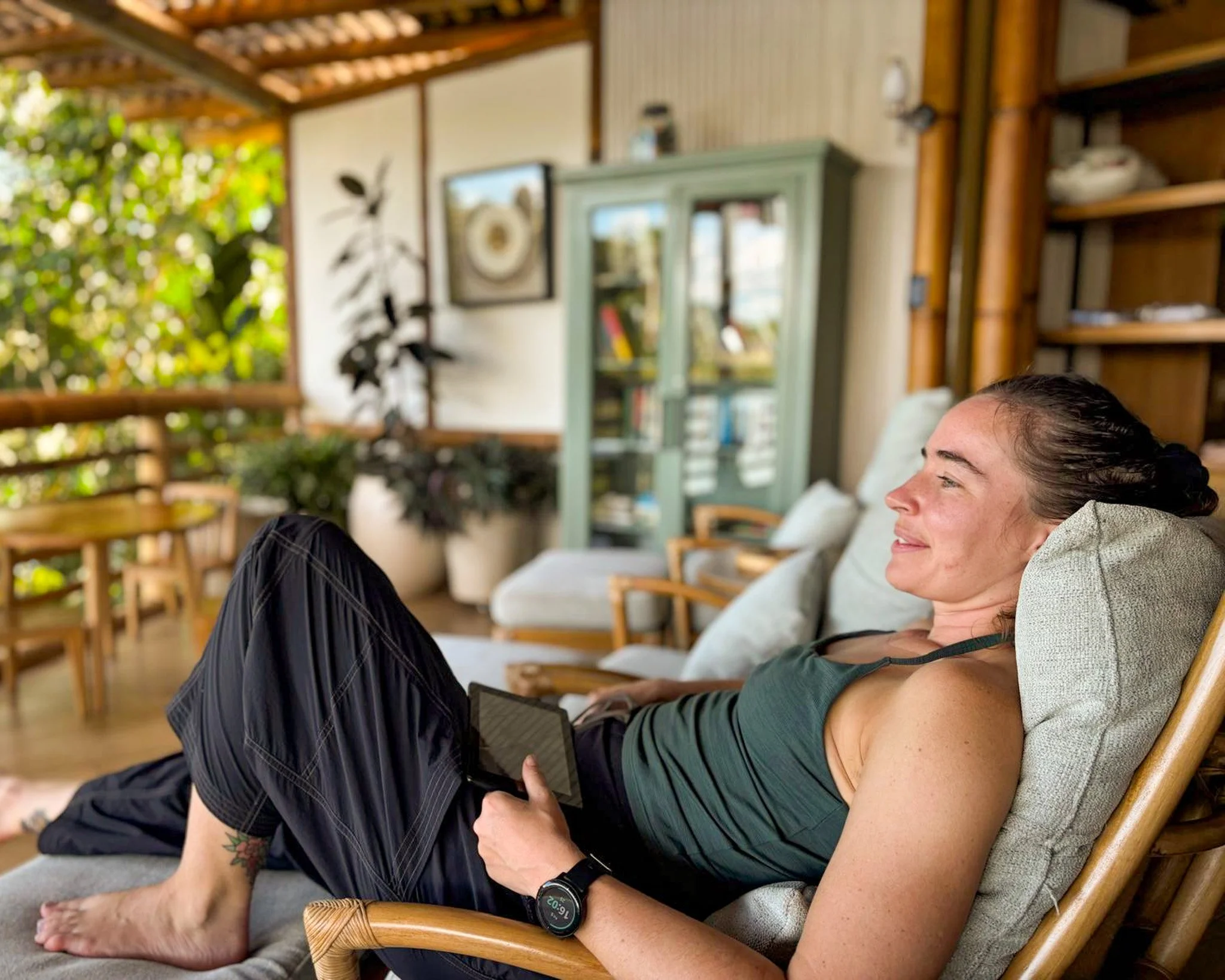
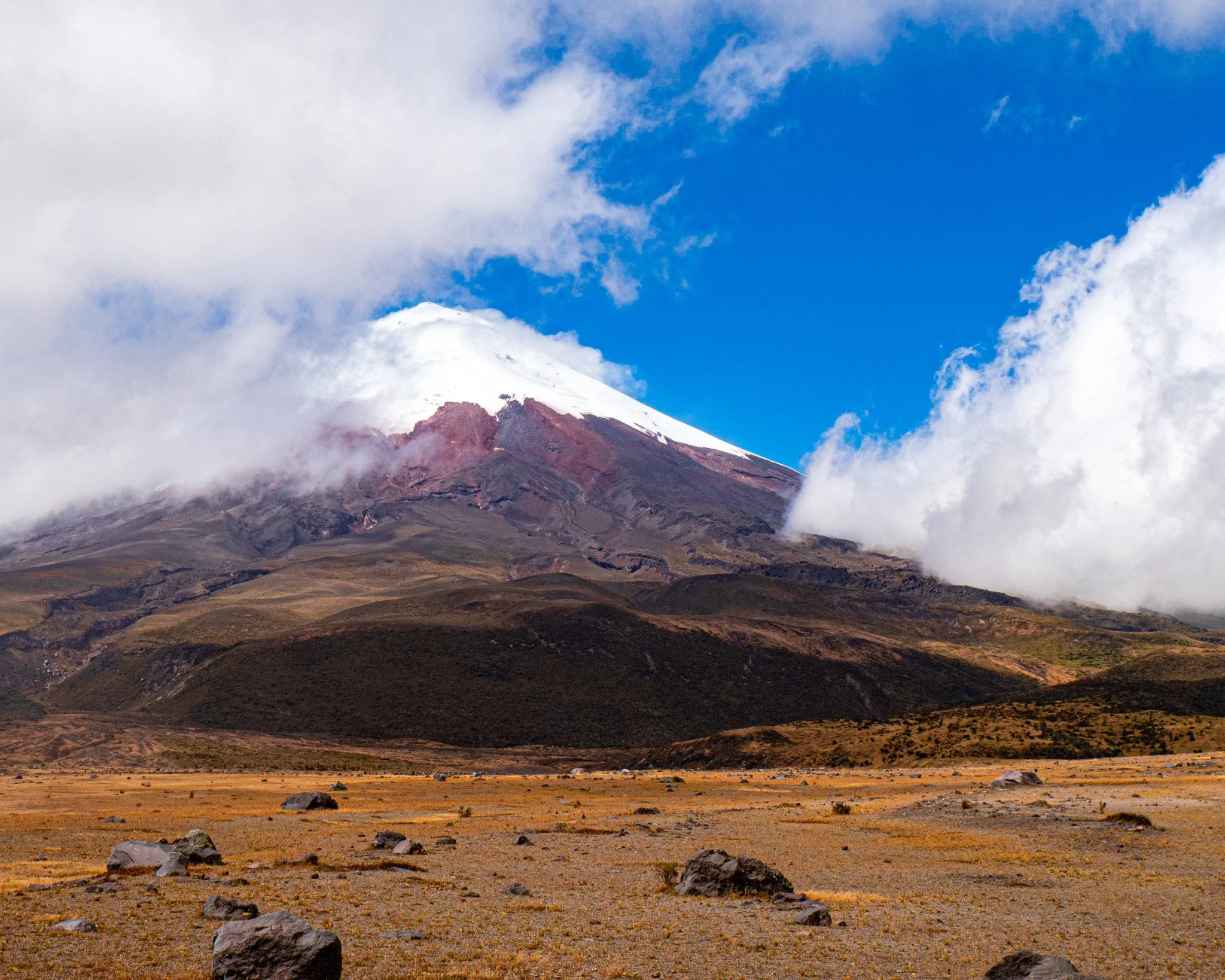
In Cotopaxi, we spent 3 nights at Hacienda El Porvenir, a dream of a hotel set on a sprawling, historic estate. The hacienda is a family-run conservation effort where they raise livestock and preserve the nearly 10,000 acres of pristine paramo and Andean forest set within the national park's buffer zone. The view is undisturbed pampas grass, rolling hills, and the impossibly imposing, snow-capped cone of Cotopaxi volcano.
We went for what can only be described as one of the most beautiful cabalgata’s (new word, horseback ride) of my life. The ride out was the highest of highs, all crisp air and epic vistas. The ride back, thanks to a brutal bout of altitude sickness courtesy of hiking the volcano the day before, was the lowest of lows. Thanks be to god the horses were docile, because I was slumped in my saddle, hardly conscious, cursing the magnificent scenery blurring past my nauseated gaze.
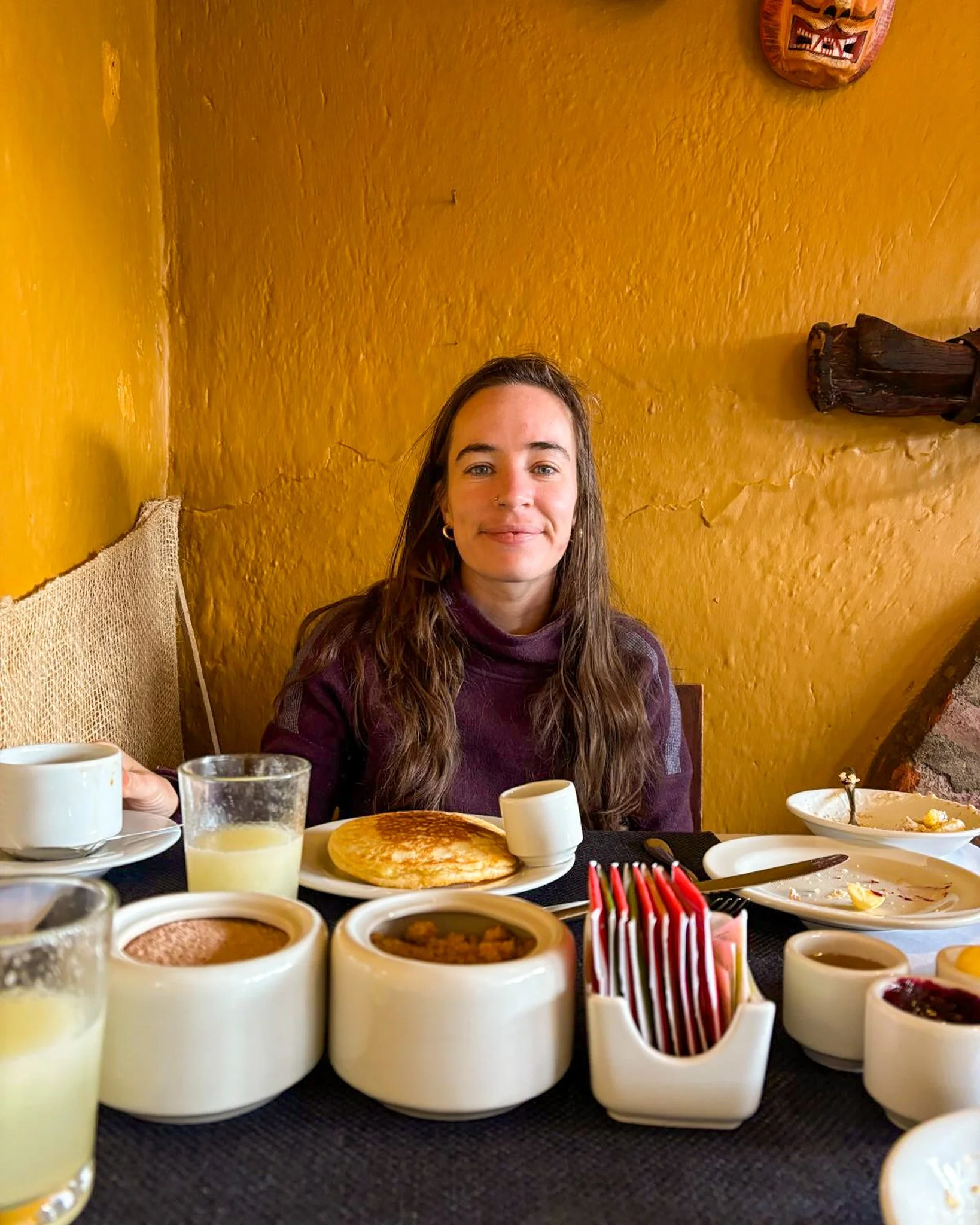
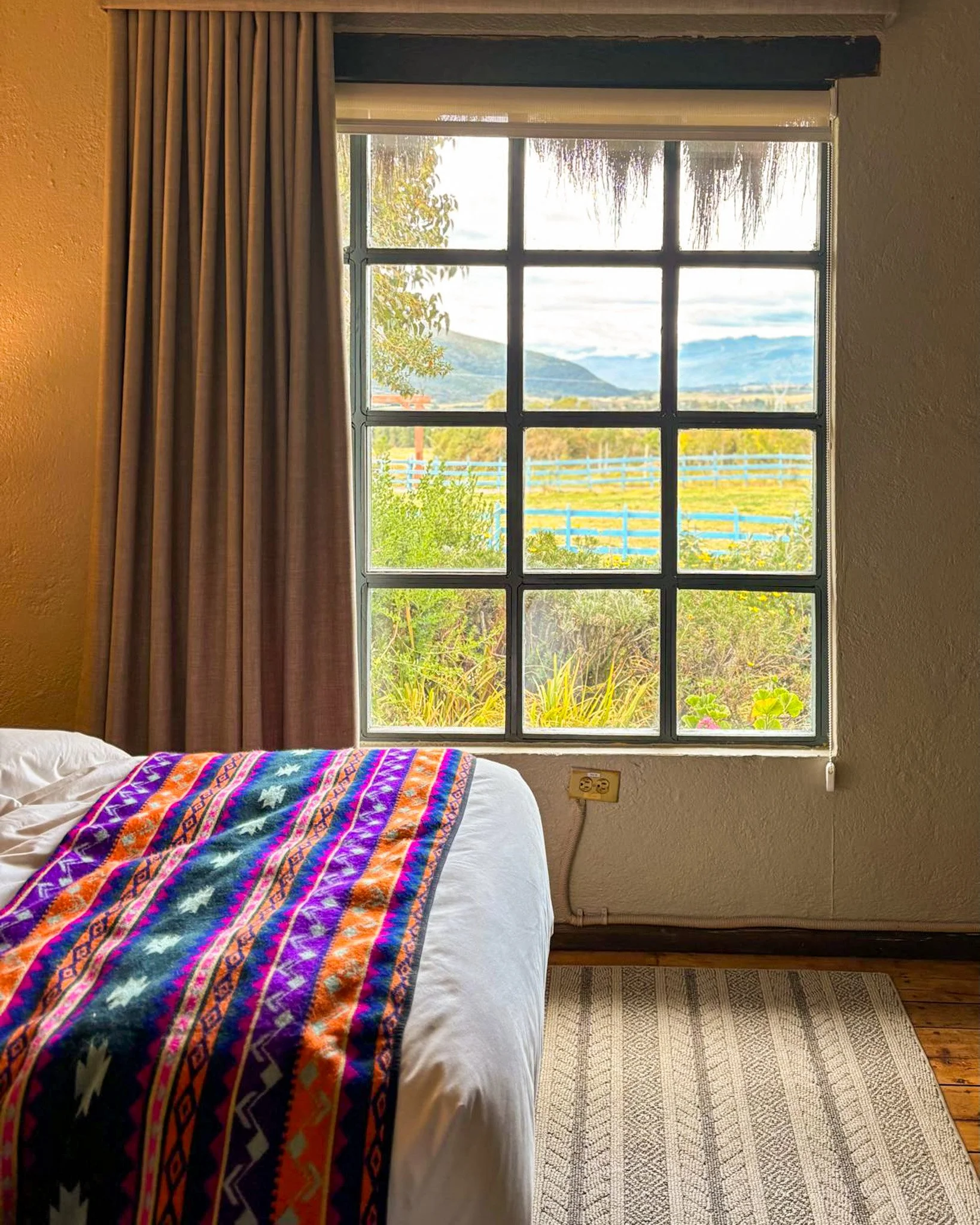
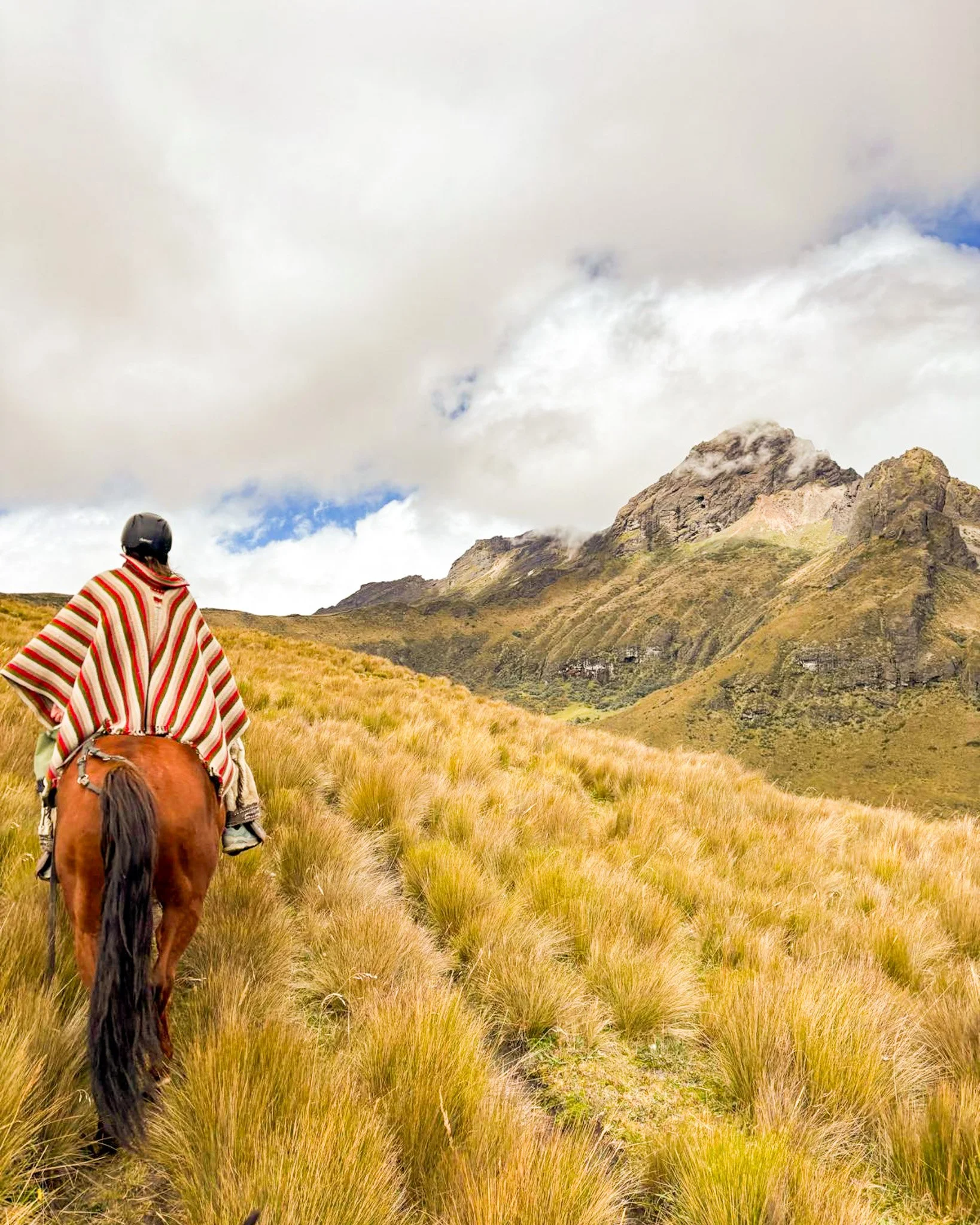
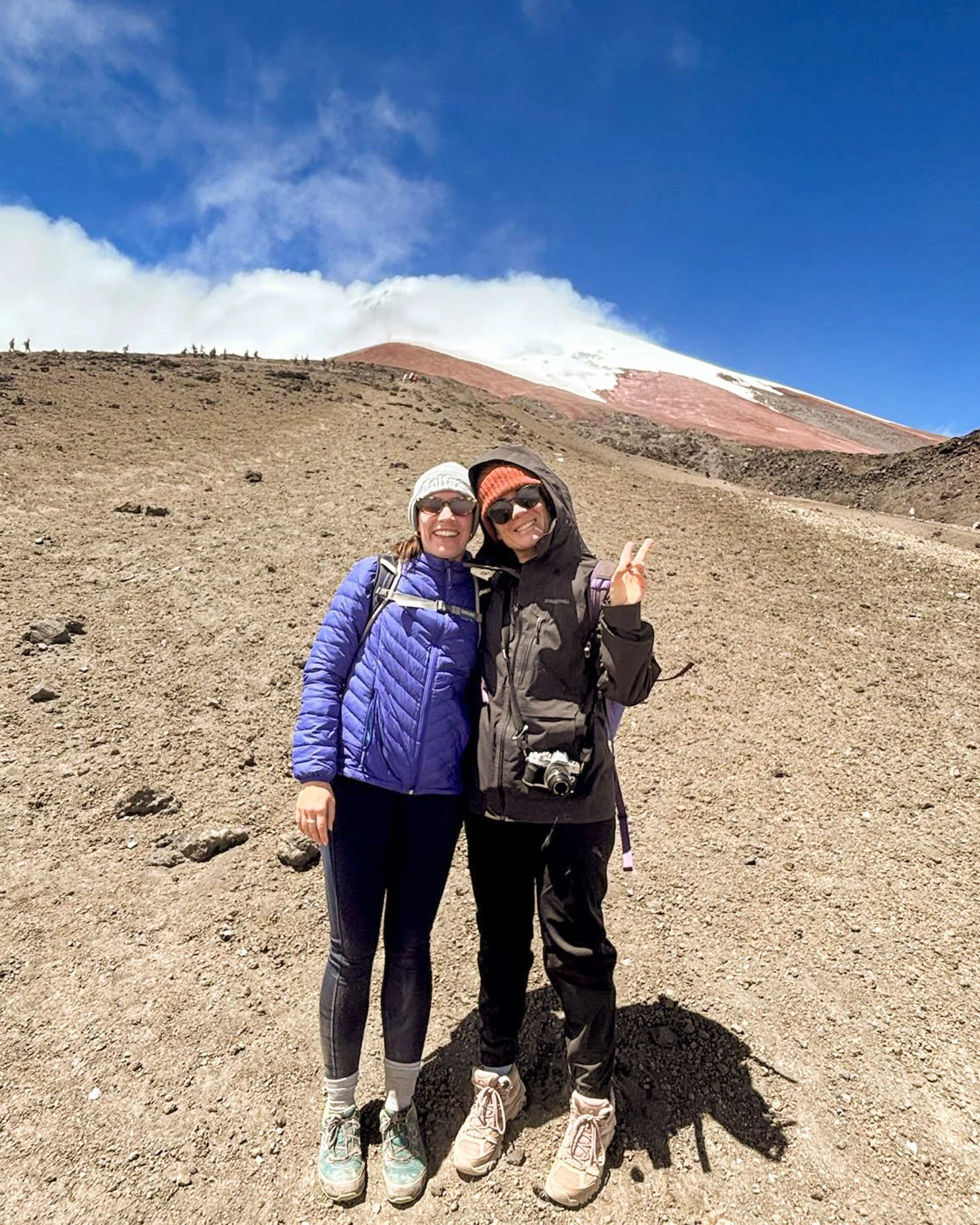
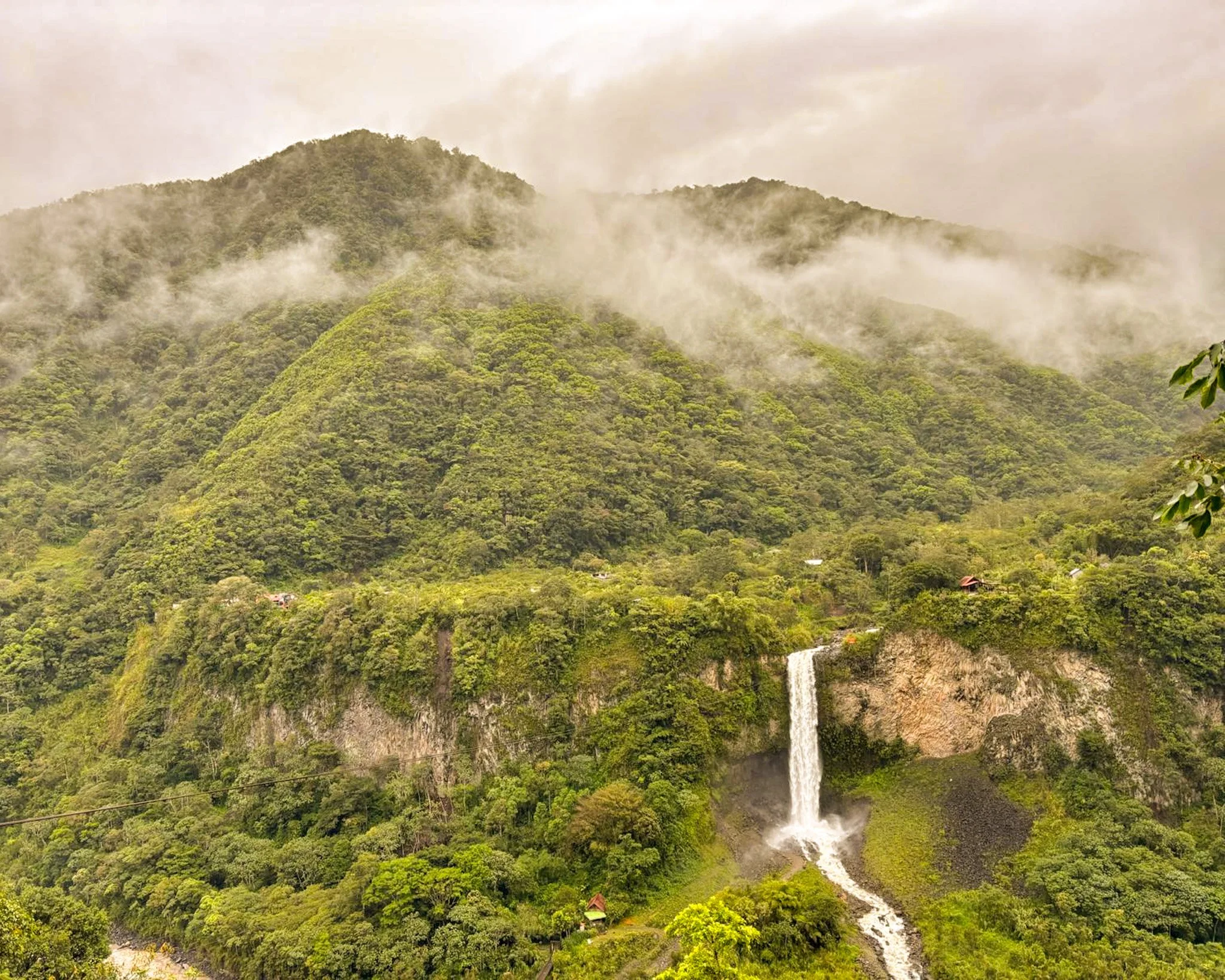
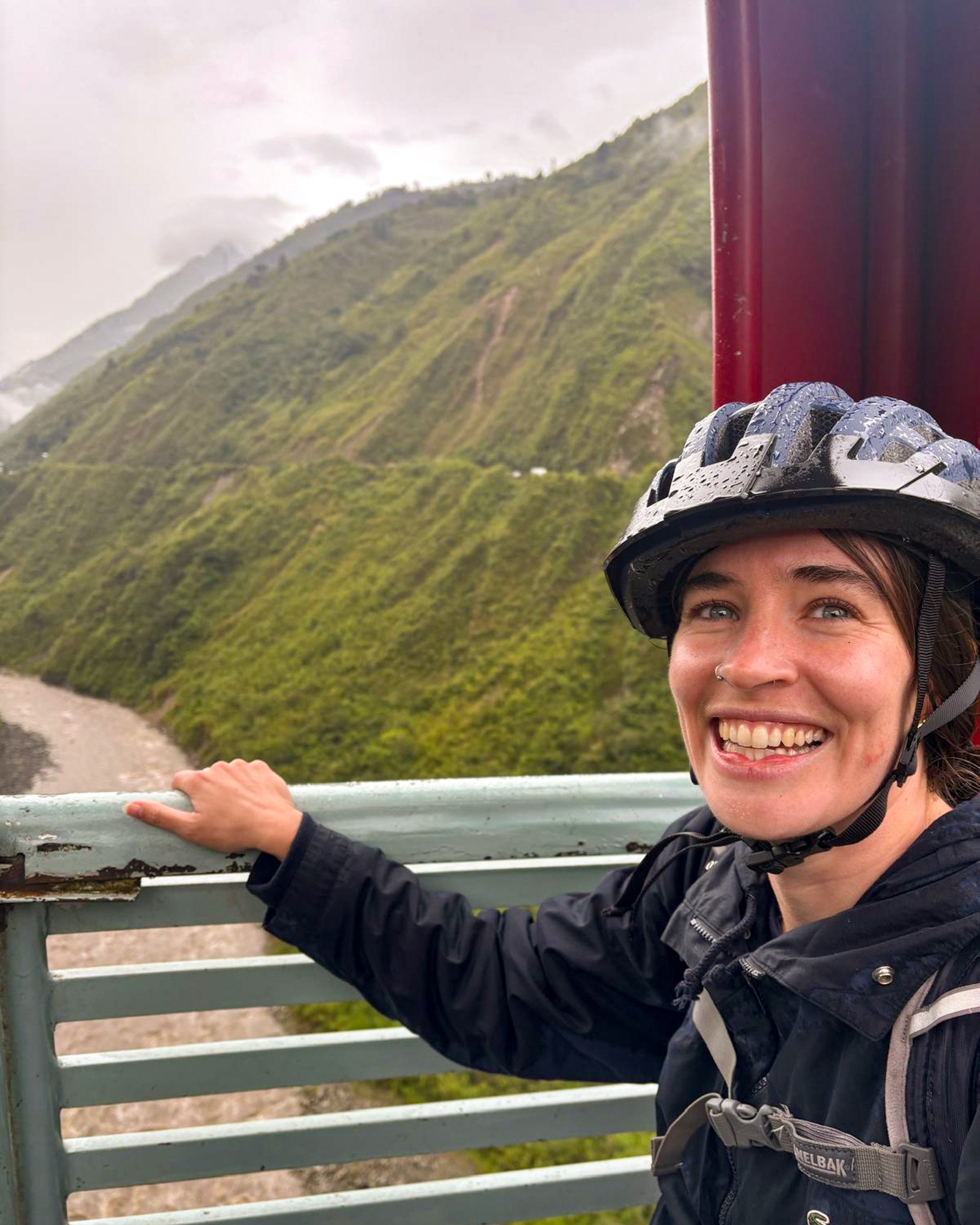
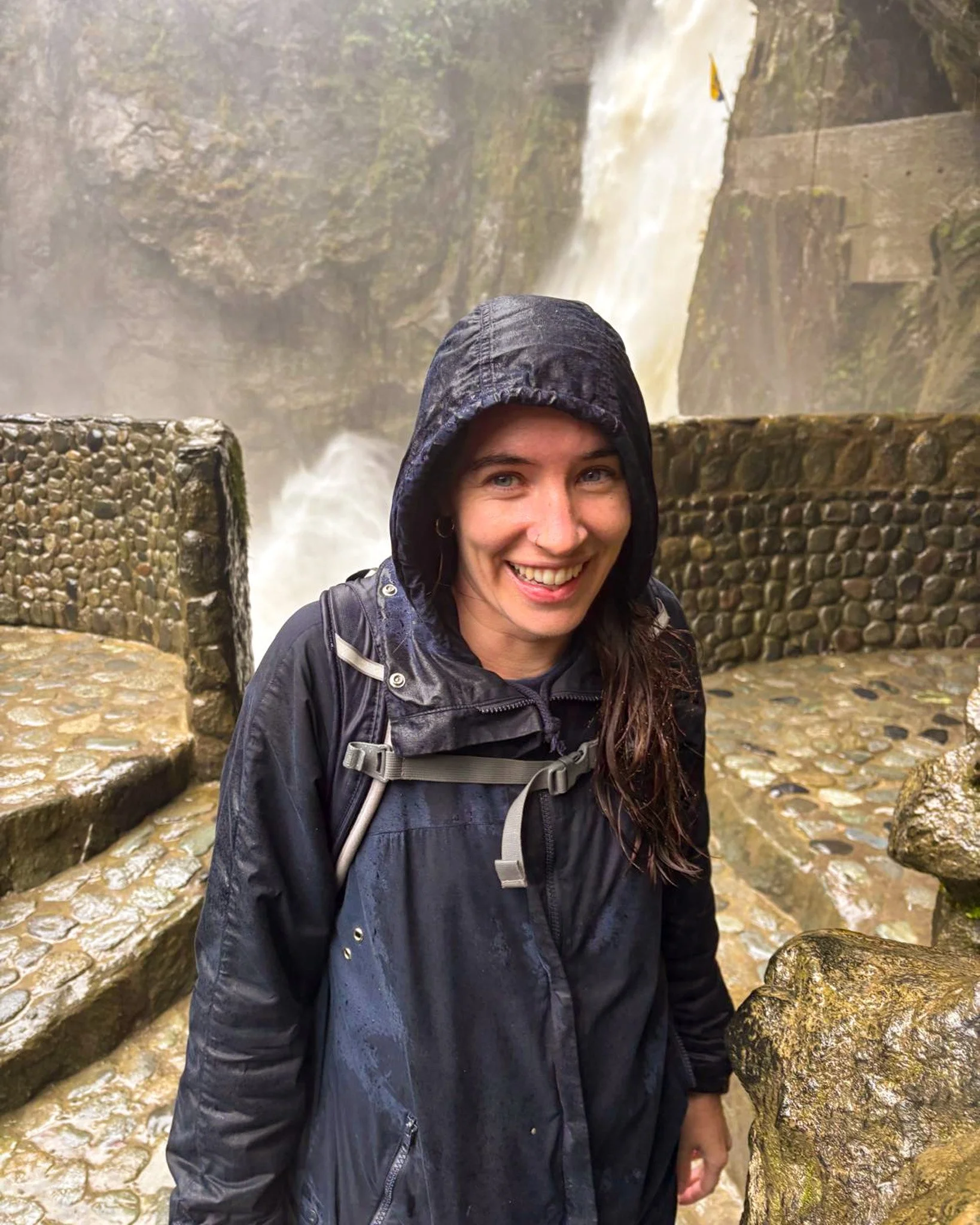
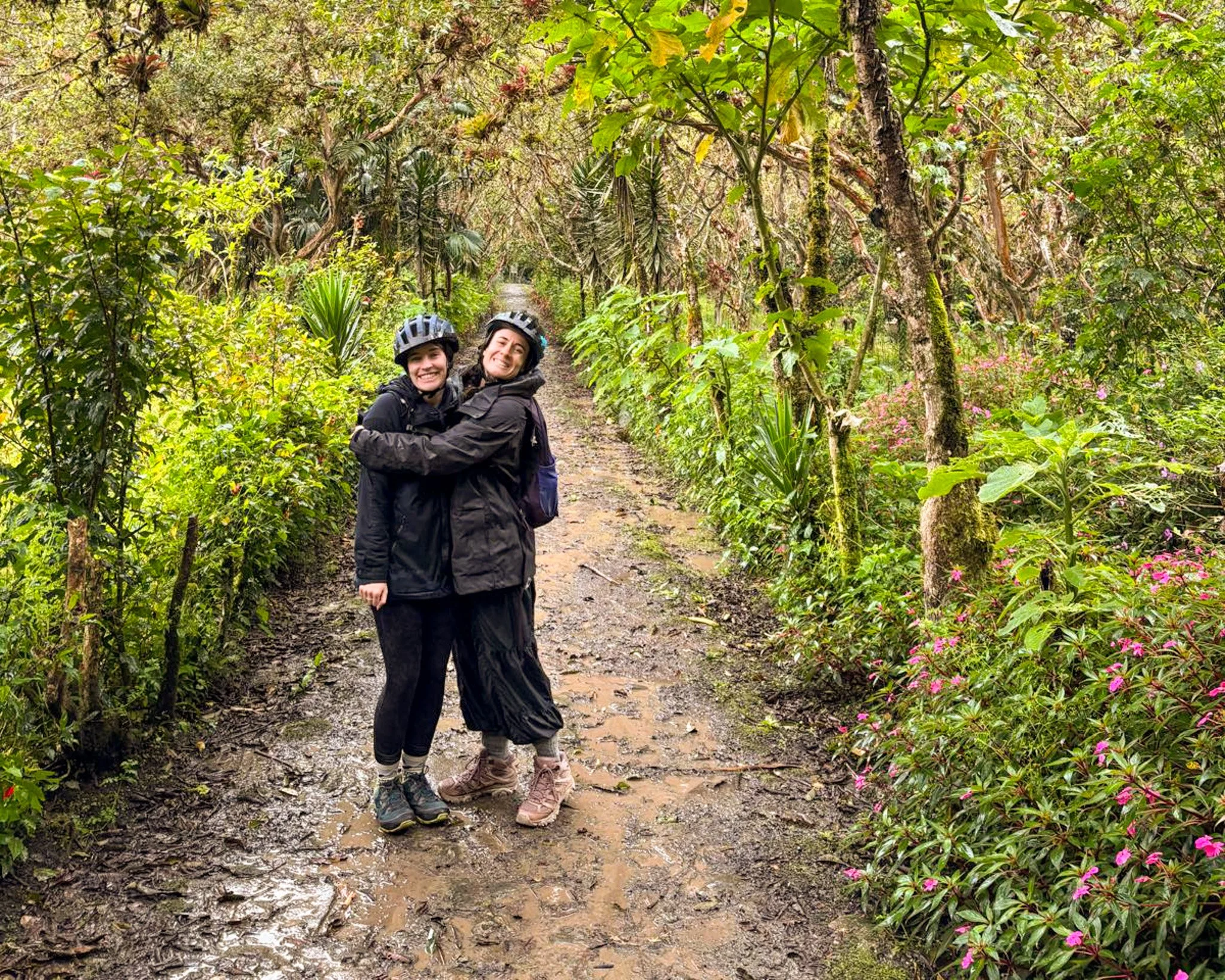
In Baños, we went for a mountain bike ride that was genuinely curious. It rained the whole time, and we spent at least 50% of it on a highway with semi-trucks. Our guide had never heard of Kim Kardashian or Barack Obama. When Anna asked him what was most memorable about a recent trip to Peru he’d taken, without hesitation this man said “the female police officers wore nude lycra pants as their uniform.” Of all the things to stick out from Peru. He wasn’t wrong, but it’s not what I personally would have led with.
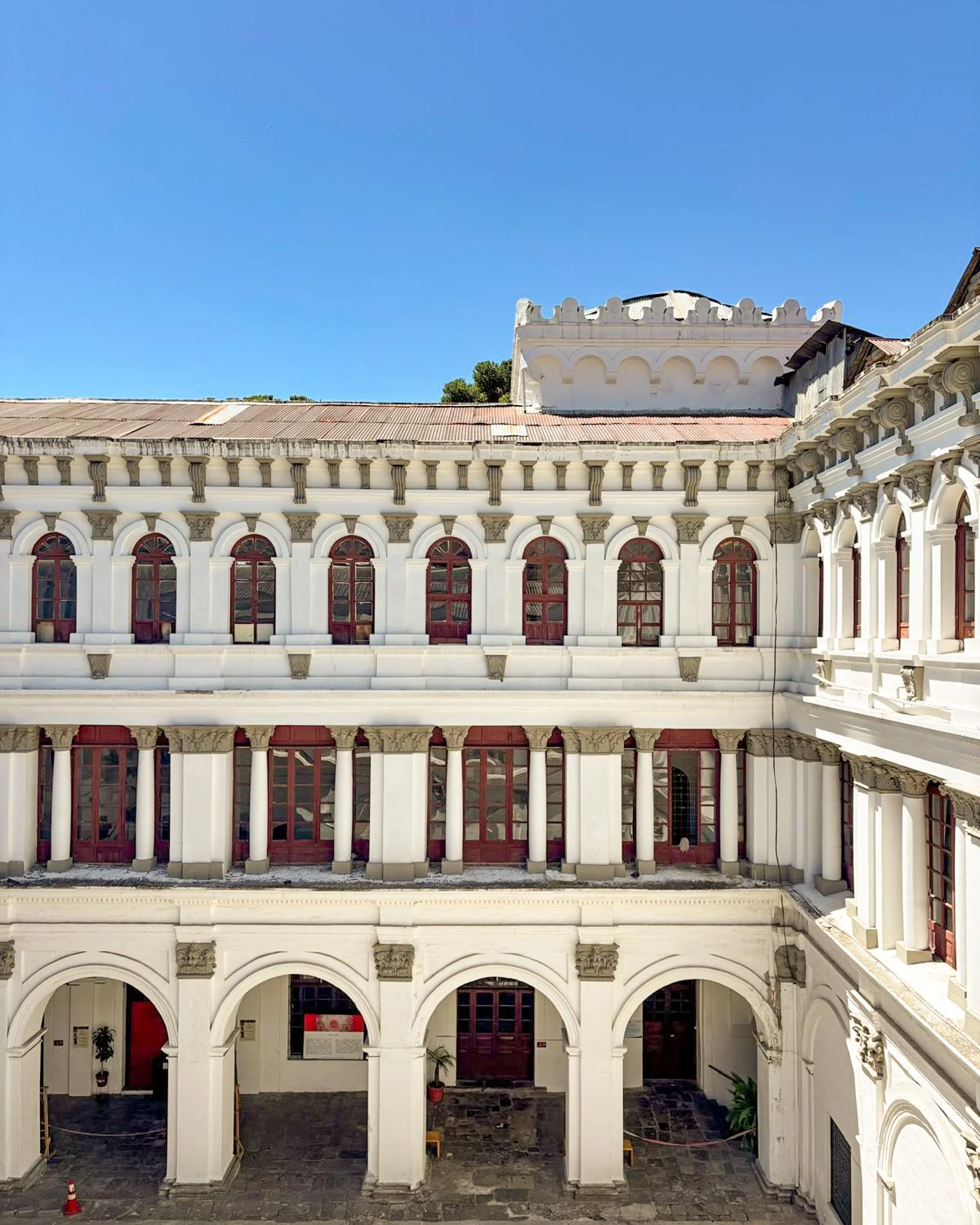
In Quito, I was a little suspect upon arrival because we arrived at ~8PM on a Friday night and when we got into town there was not a single person out and about. Nothing signals danger like not a single person being out at 9PM on a Friday night when there’s a Plaza Central. It was a total ghost town and given Ecuador's recent….issues with their homicide rate….I was on edge. Thankfully, my first impression was not the only impression. Come Saturday morning, Quito was bumping, with throngs of families out and about enjoying the city.
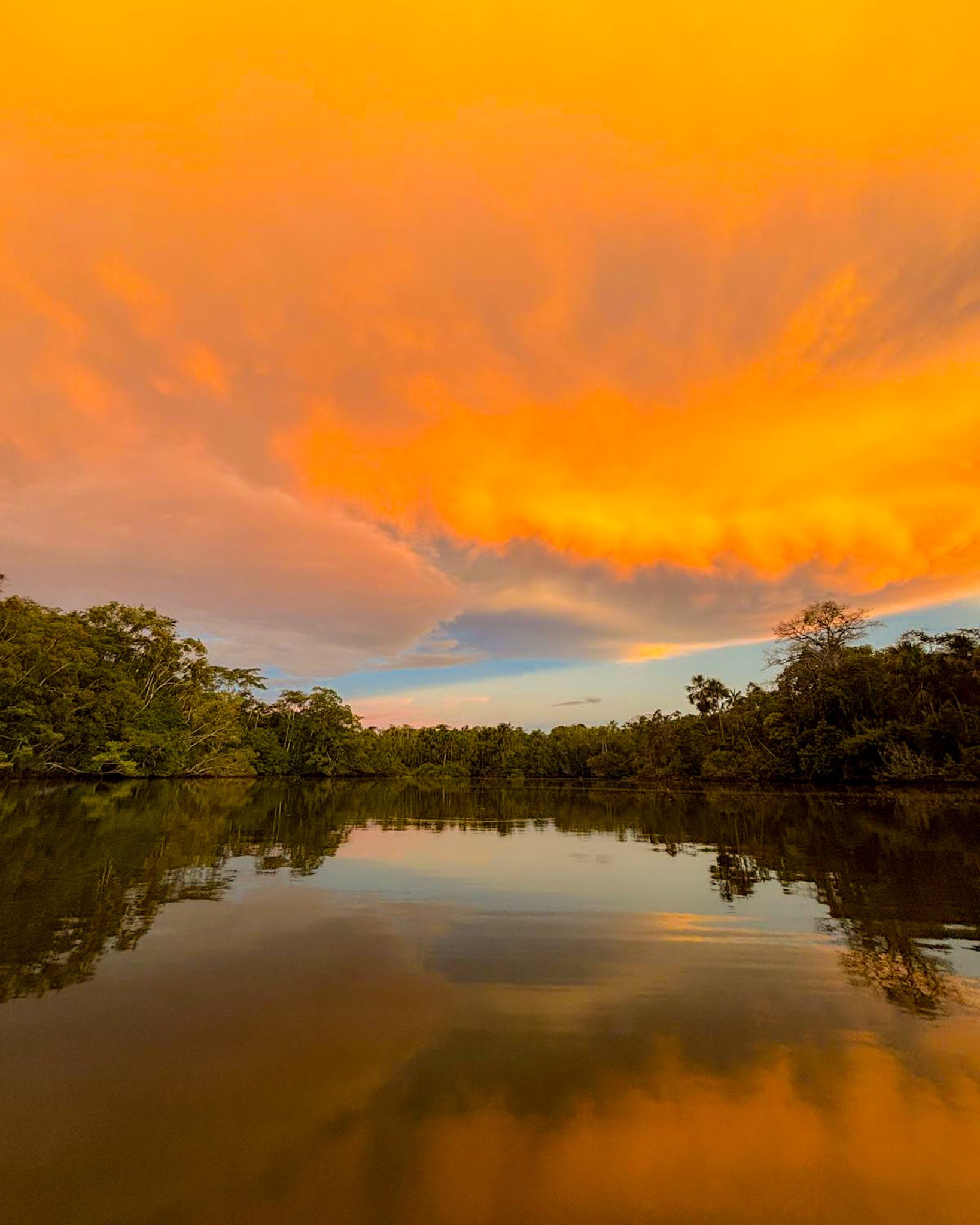
Yasuní National Park was by and far the highlight of the trip. A little bit about Yasiní for those of you unfamiliar (me, until I had been there one night and decided to Google some facts)
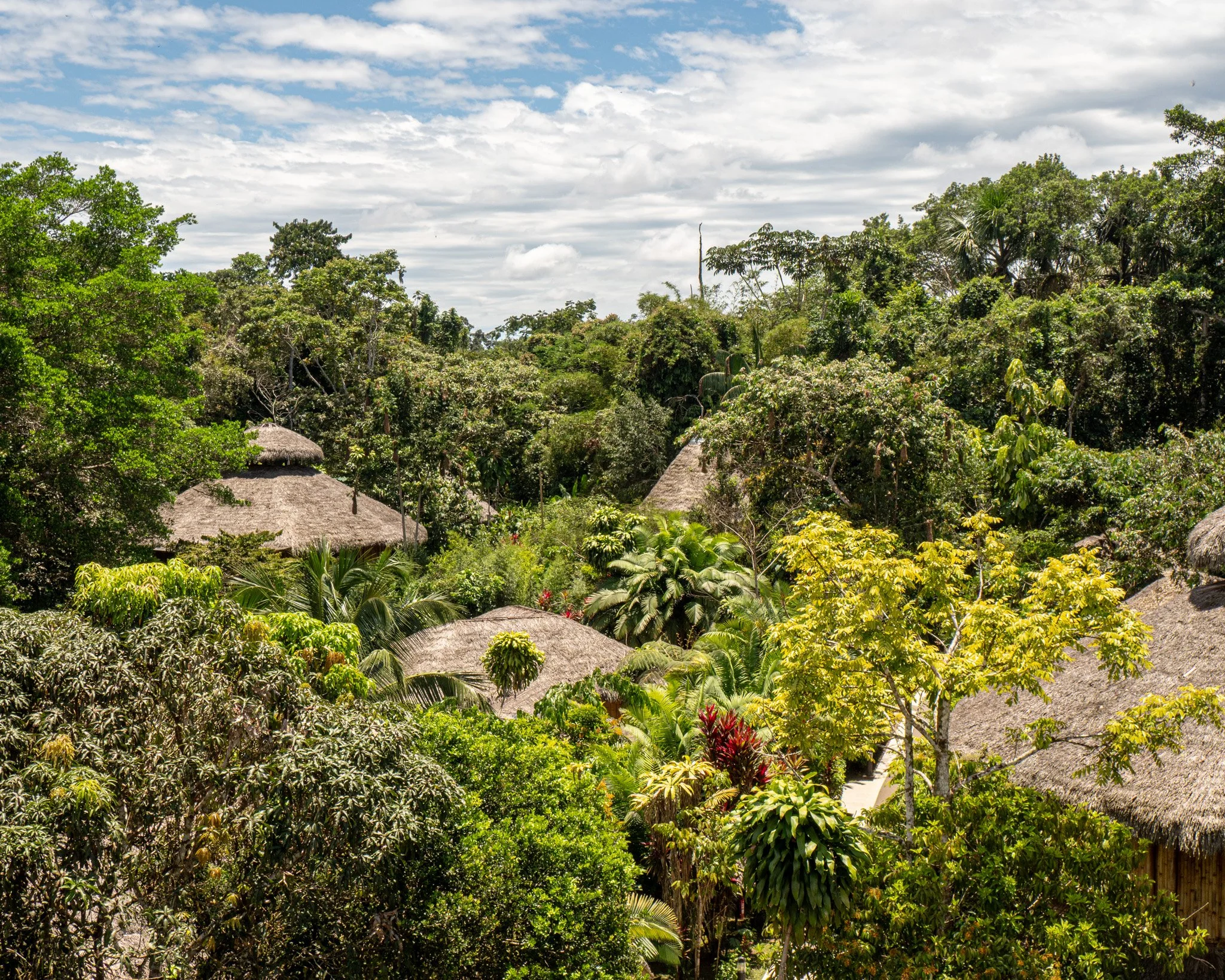
Yasuní National Park is in Northeastern Ecuador, and is part of the Amazon Rainforest. The park is approximately 9,820 square kilometers (about 3,800 square miles) and it is Ecuador's largest mainland national park.
Yasuní is widely considered one of the most biodiverse places on the planet. A single hectare in Yasuní contains more tree species than all of North America and more insect species live in one tree than live in the entire United Kingdom. I would encourage you to read that sentence back and really think about it. Sensational.
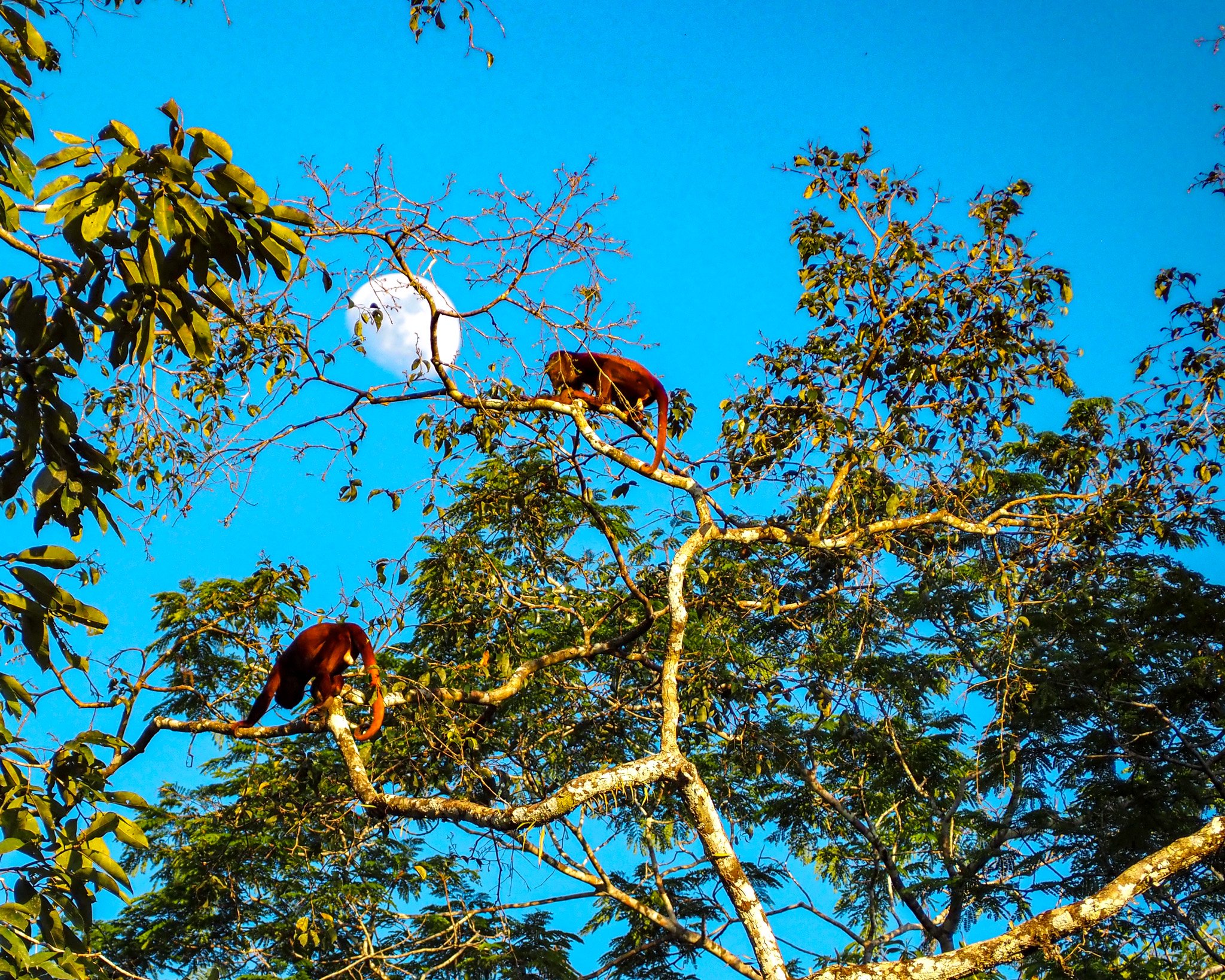
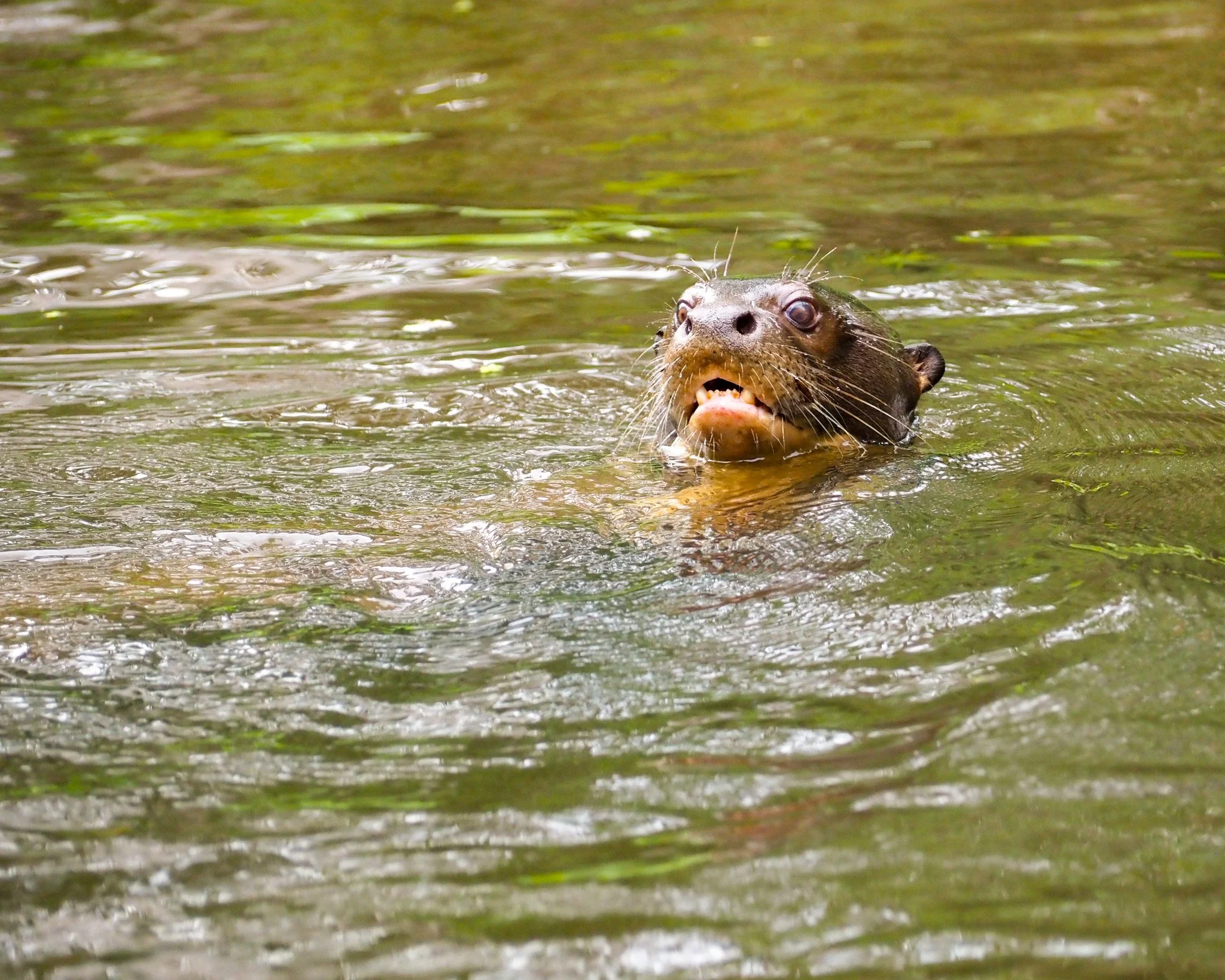
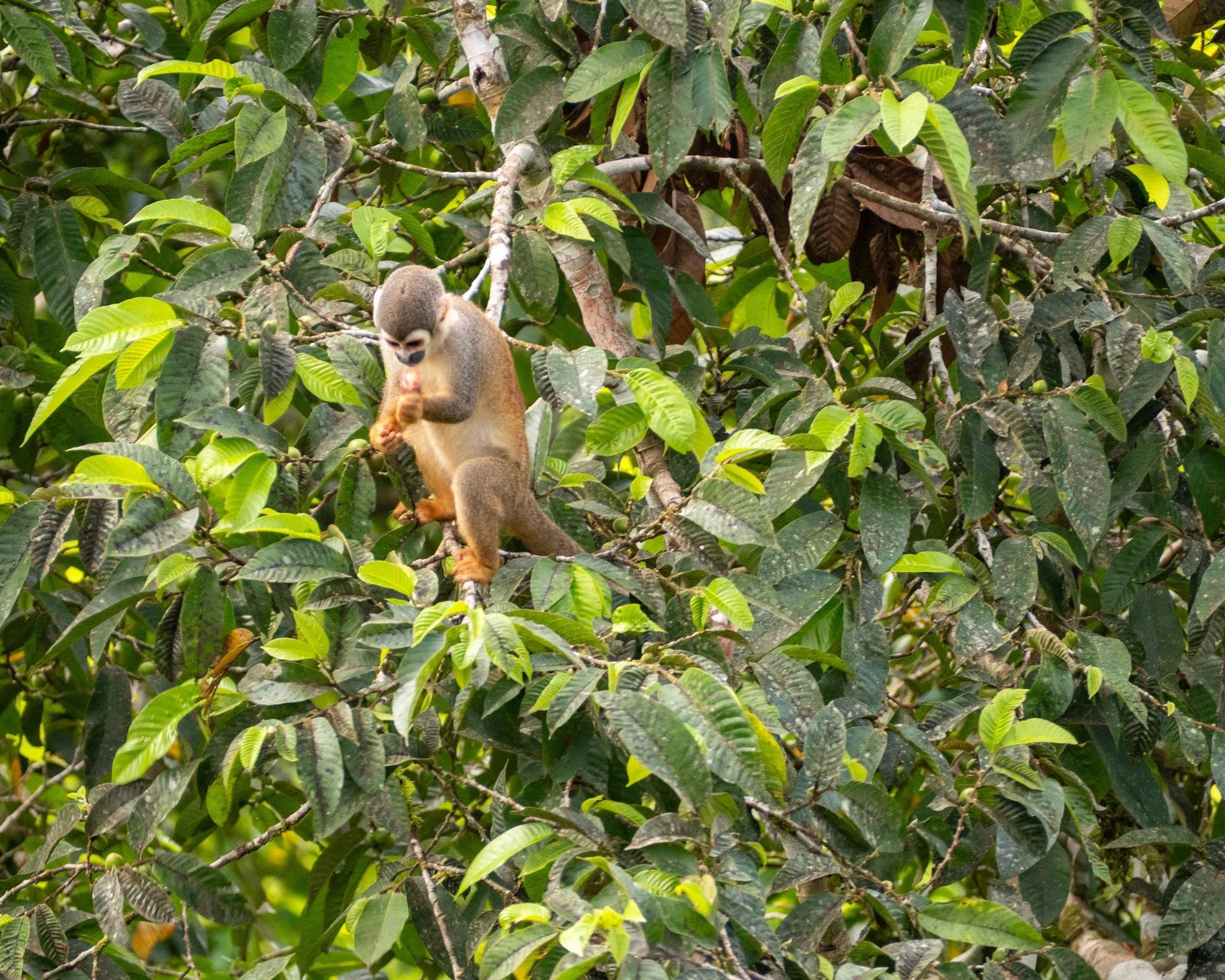
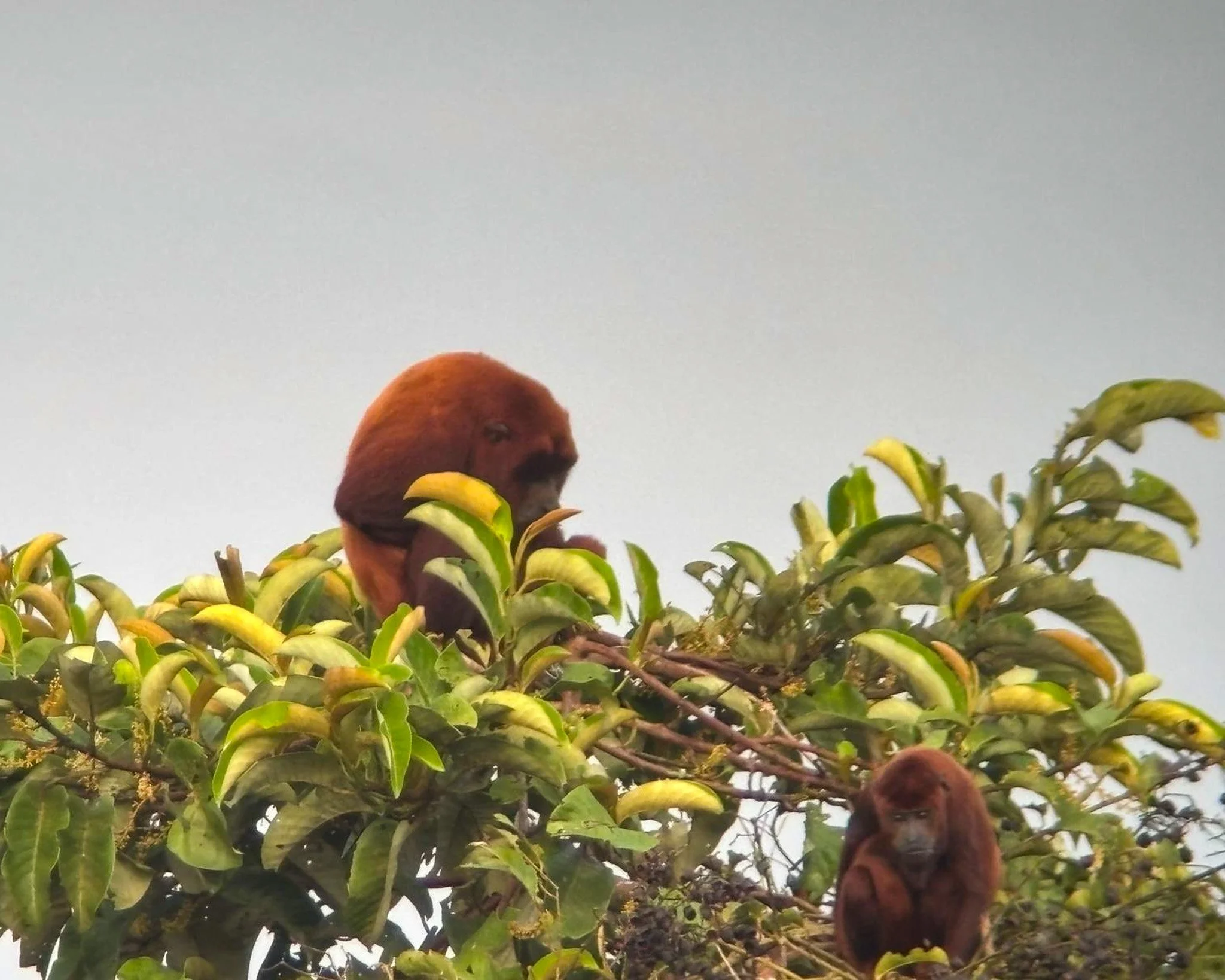
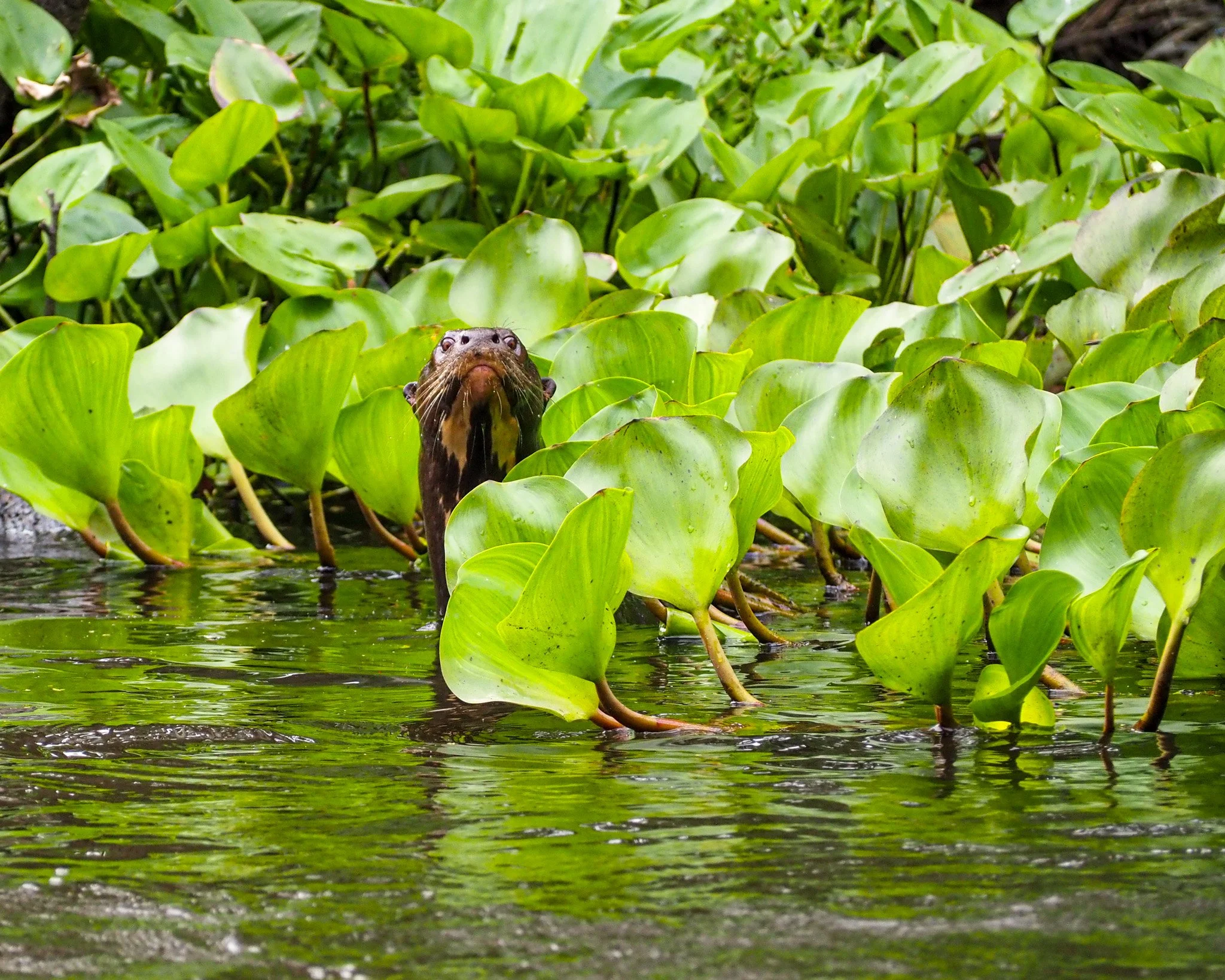
Yasuní is home to iconic Amazonian species like jaguars, giant otters (they are the size of german shepherds. Otters, the size of guard dogs. Fathom.), pink river dolphins, and numerous monkey species, including the smallest monkey species in the world which we also saw.
The park is the ancestral territory of the Waorani people. Within its deepest, most remote "Intangible Zone" live several communities living in voluntary isolation, including the Tagaeri and Taromenane.
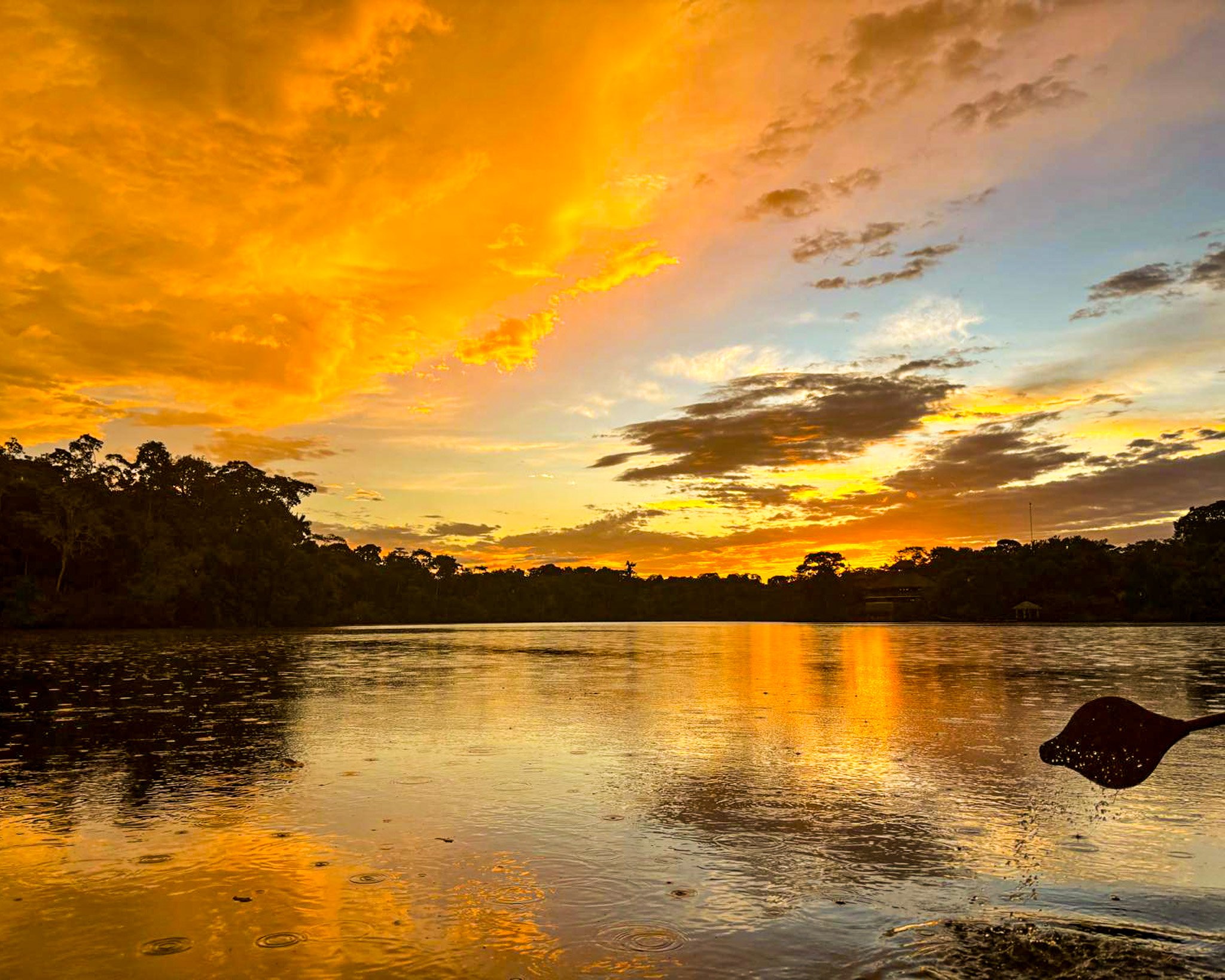
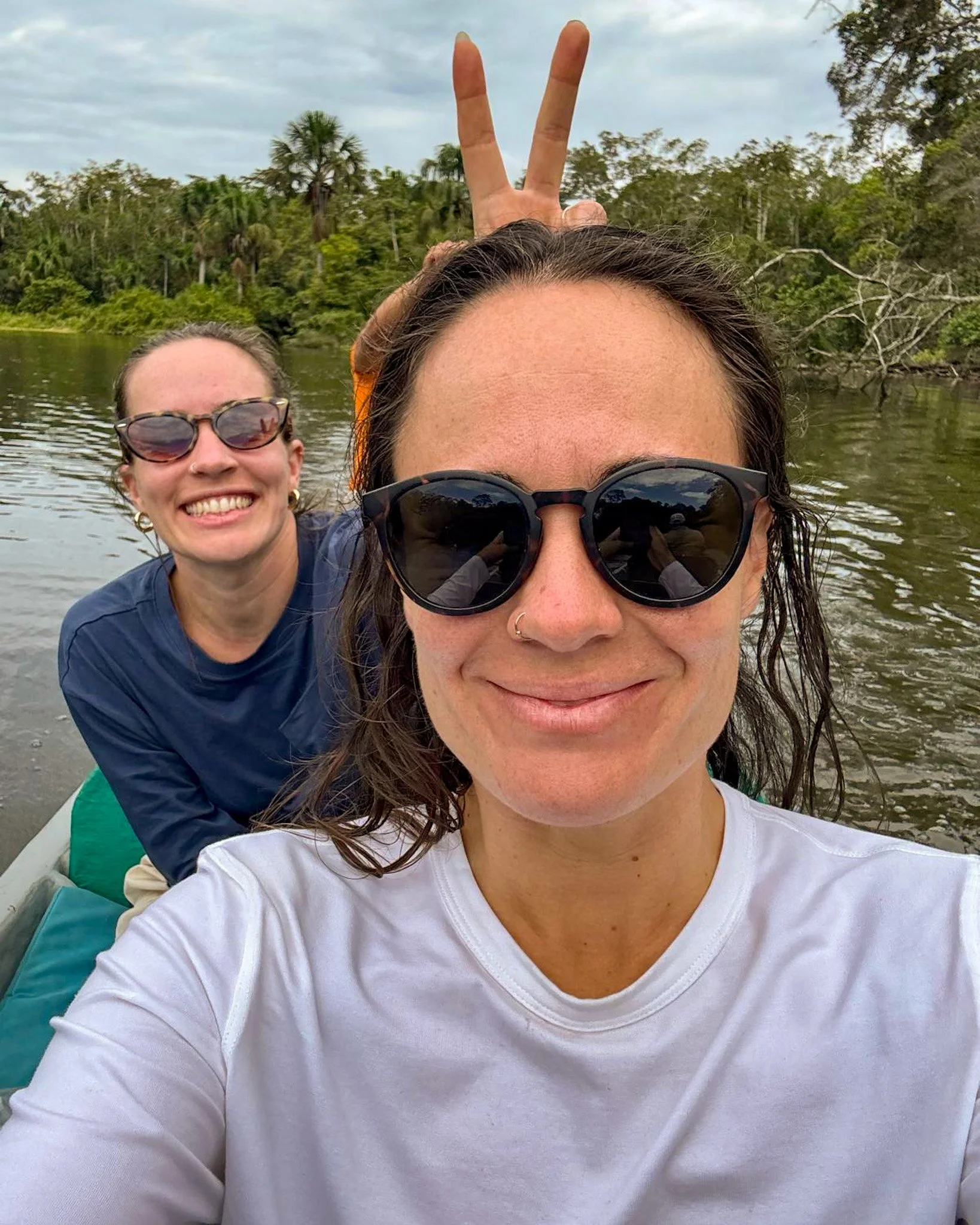
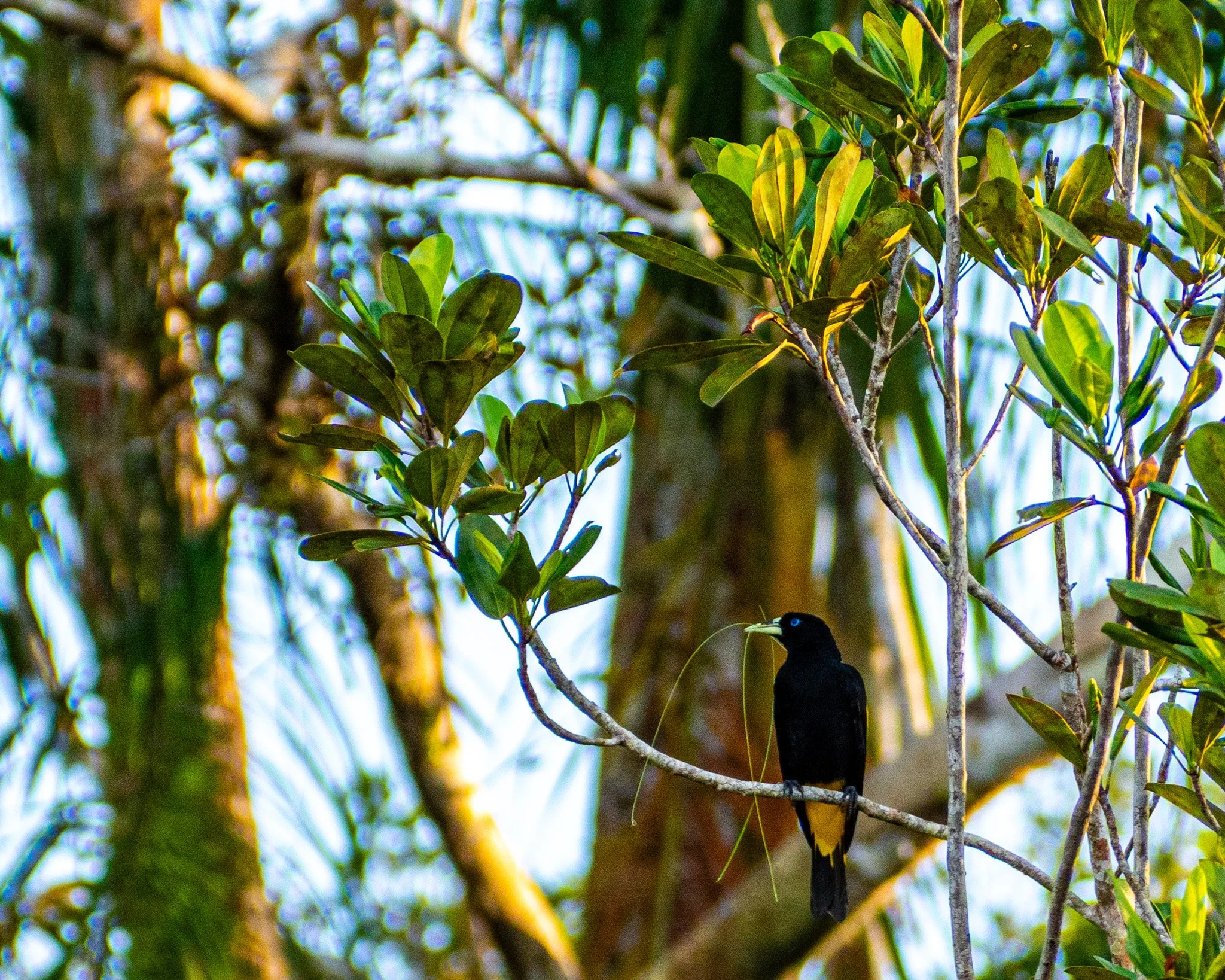
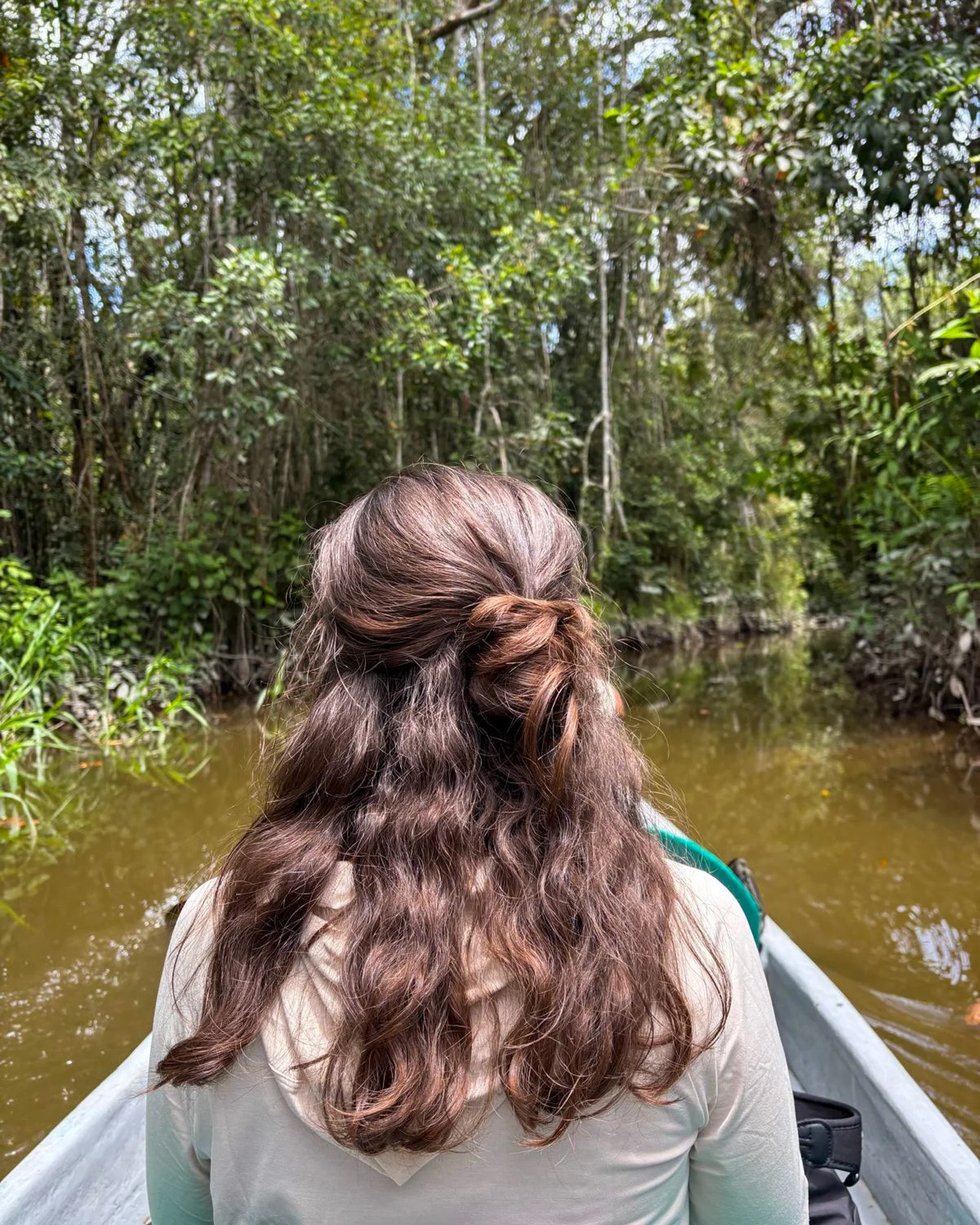
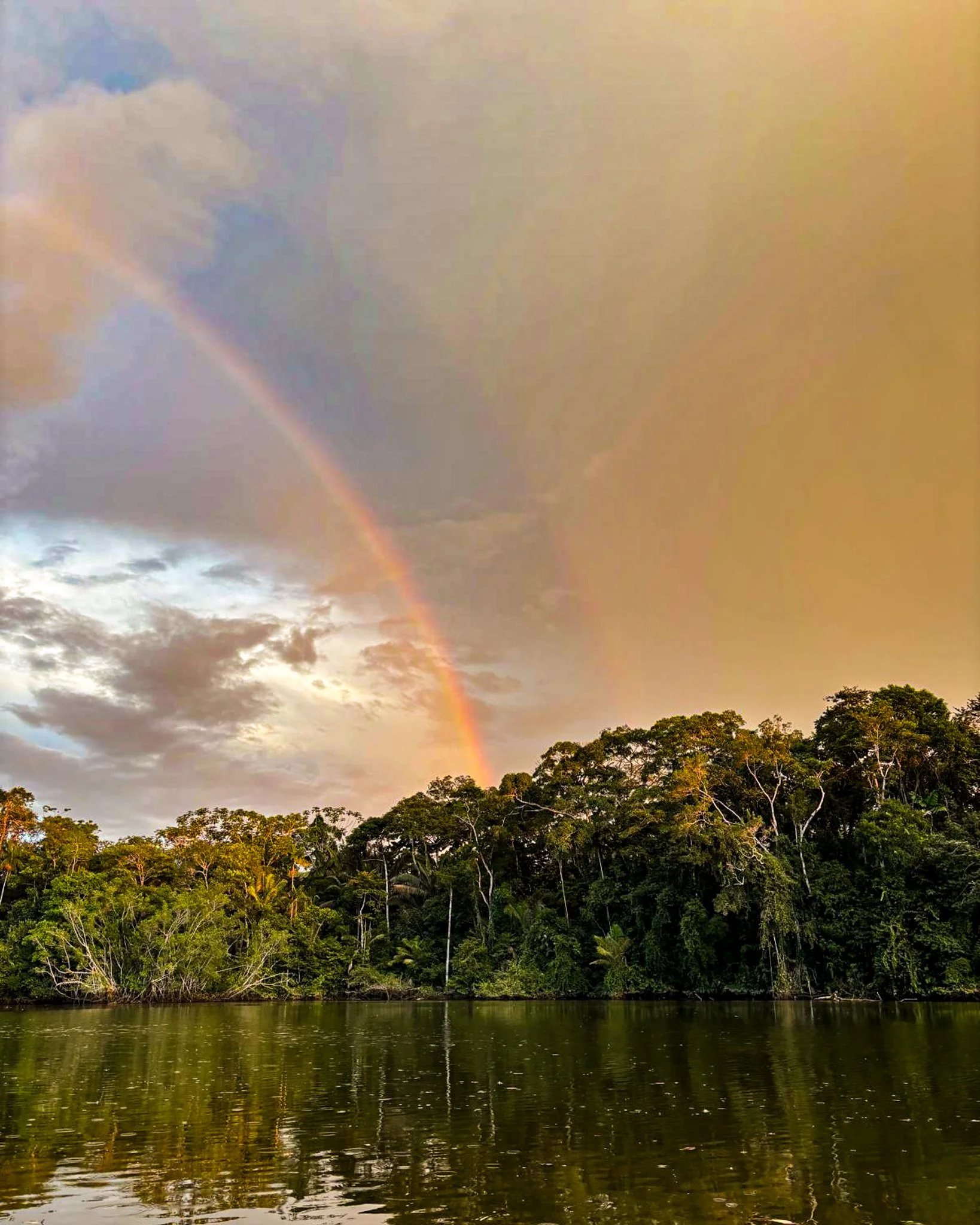
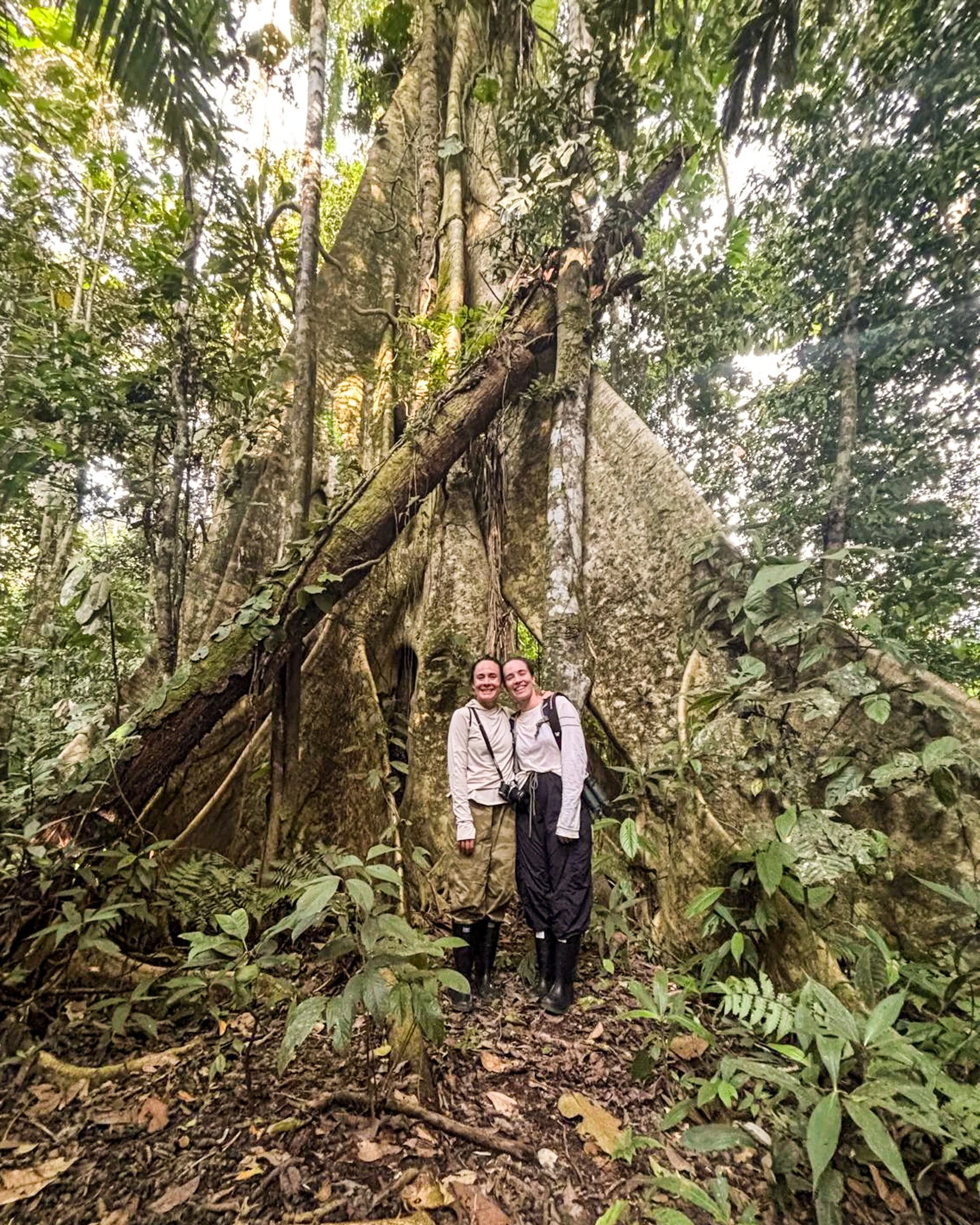
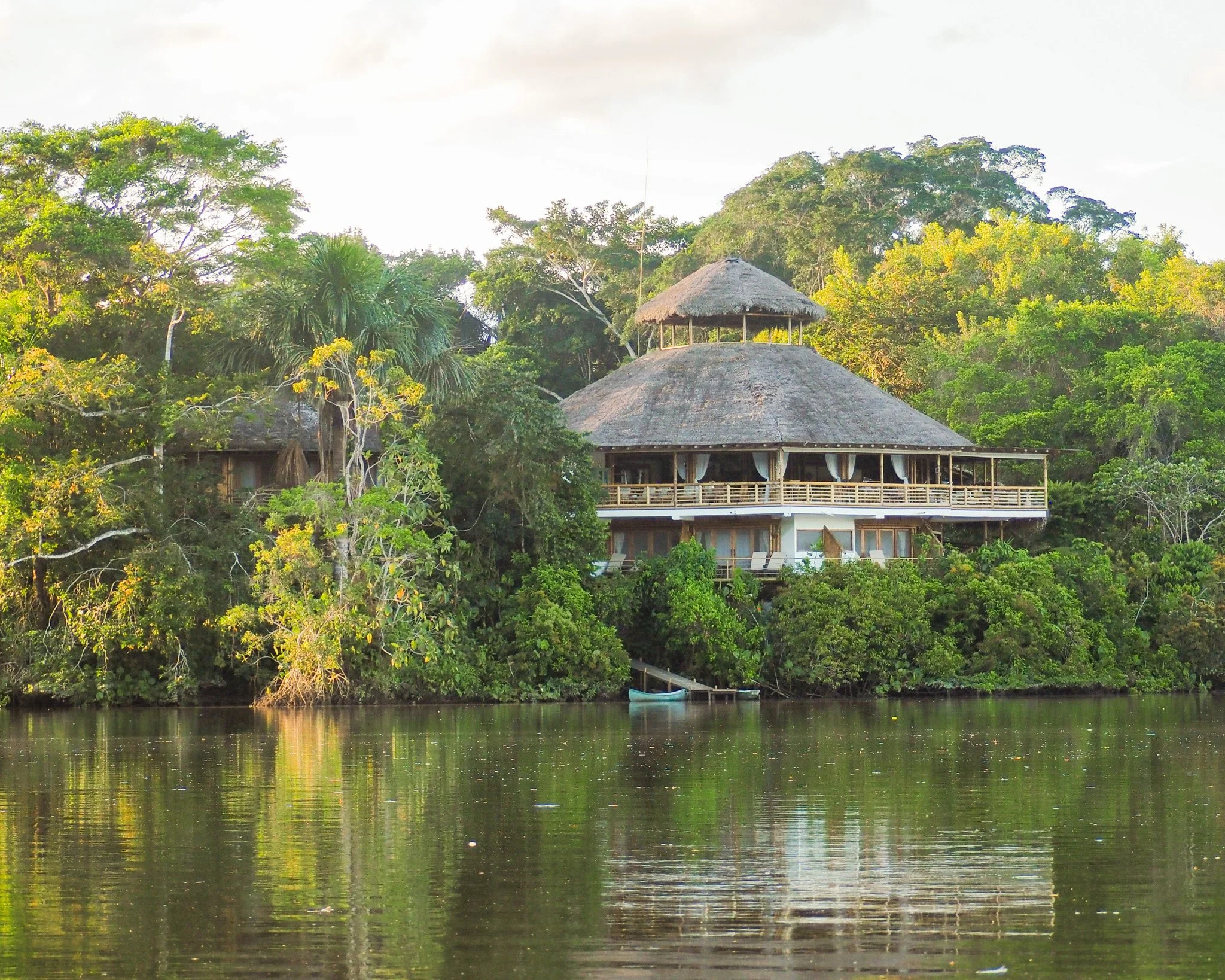
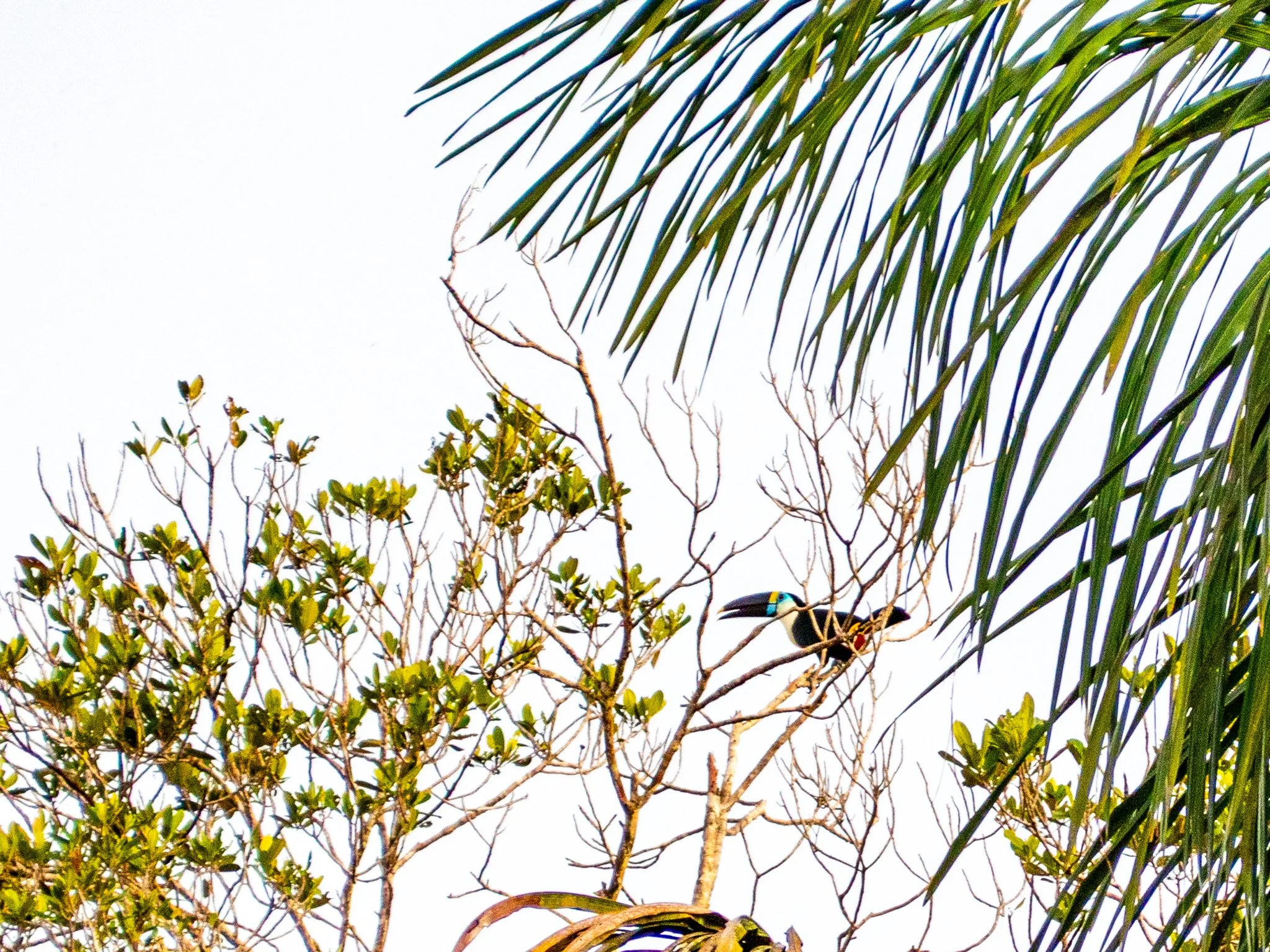
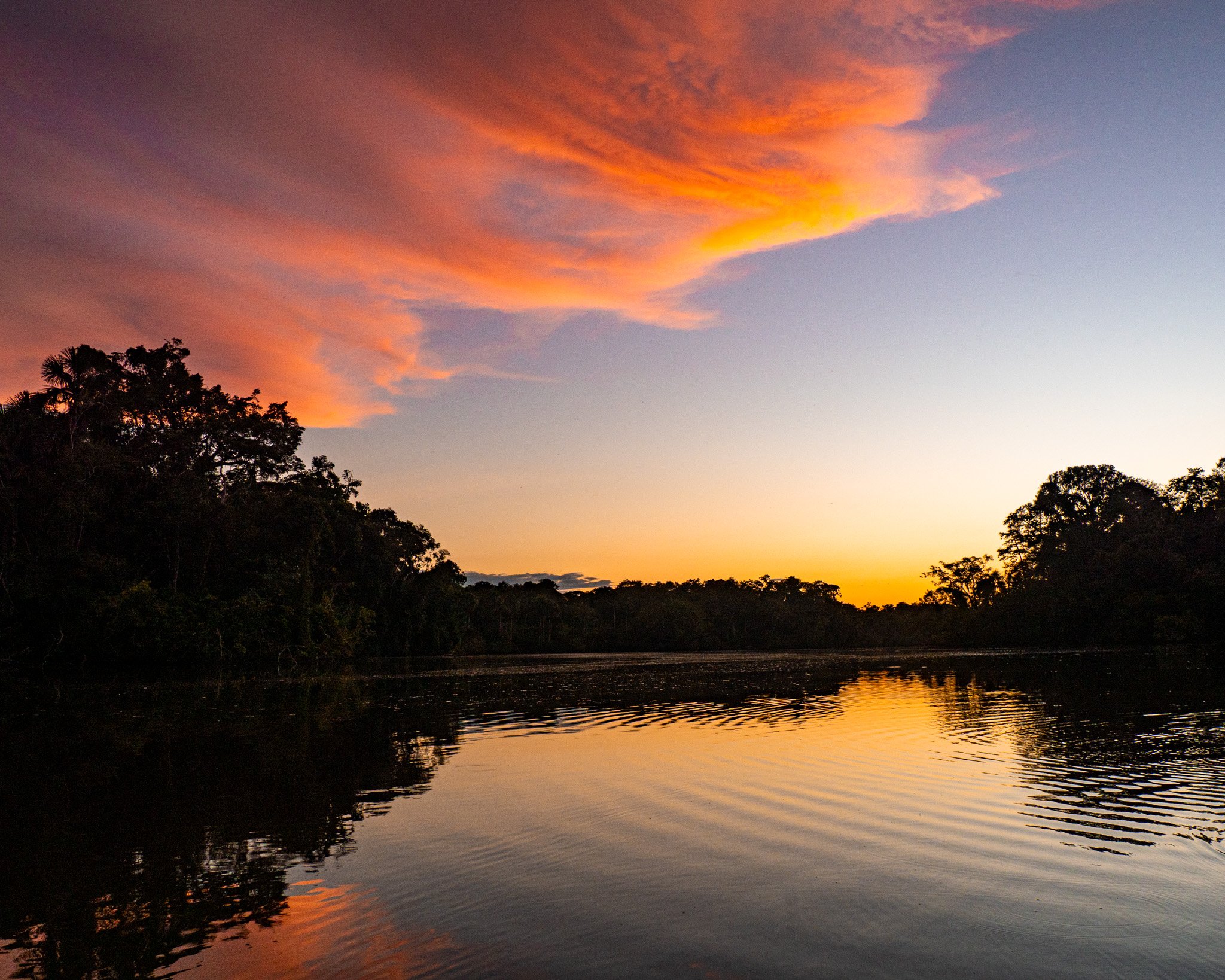
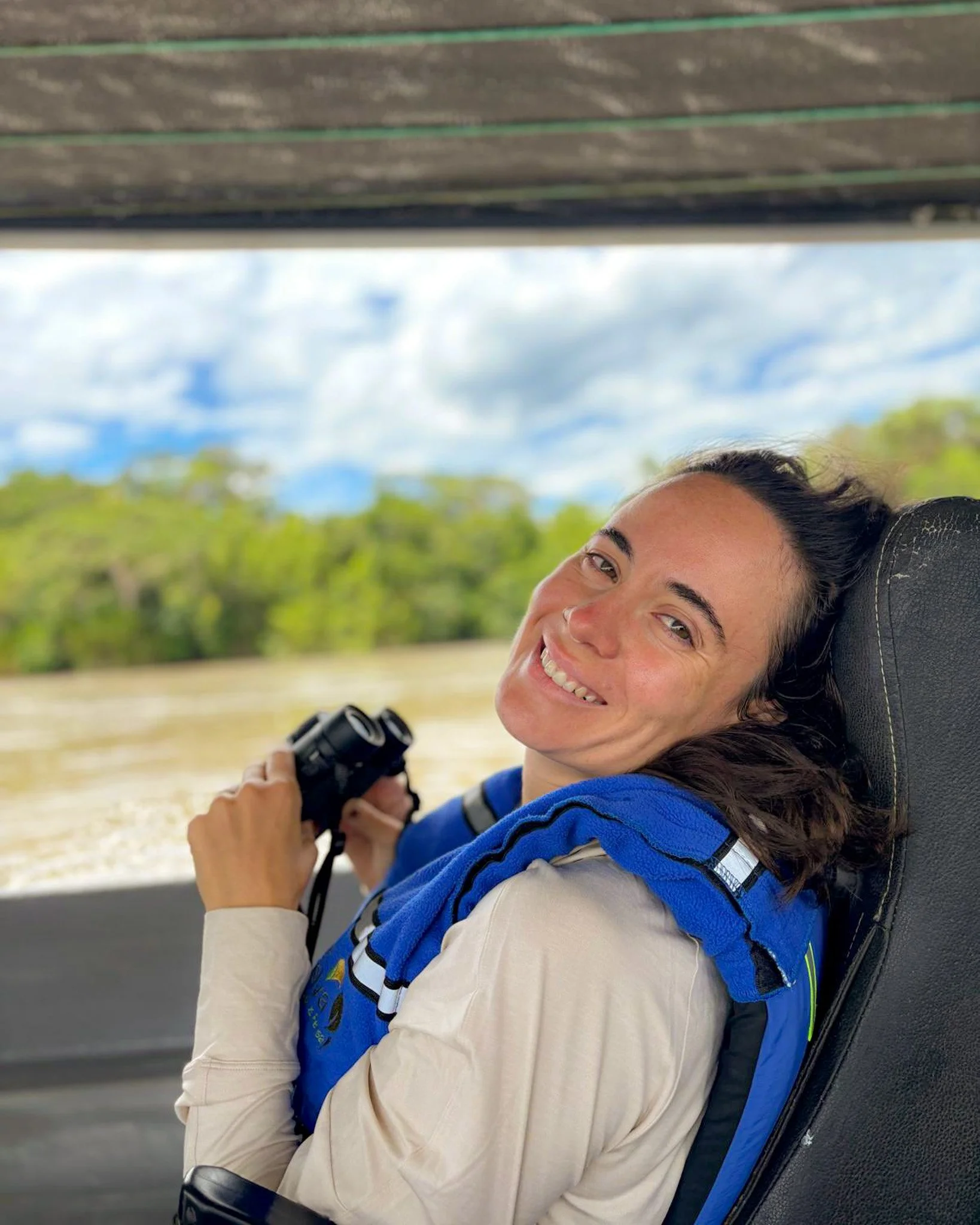
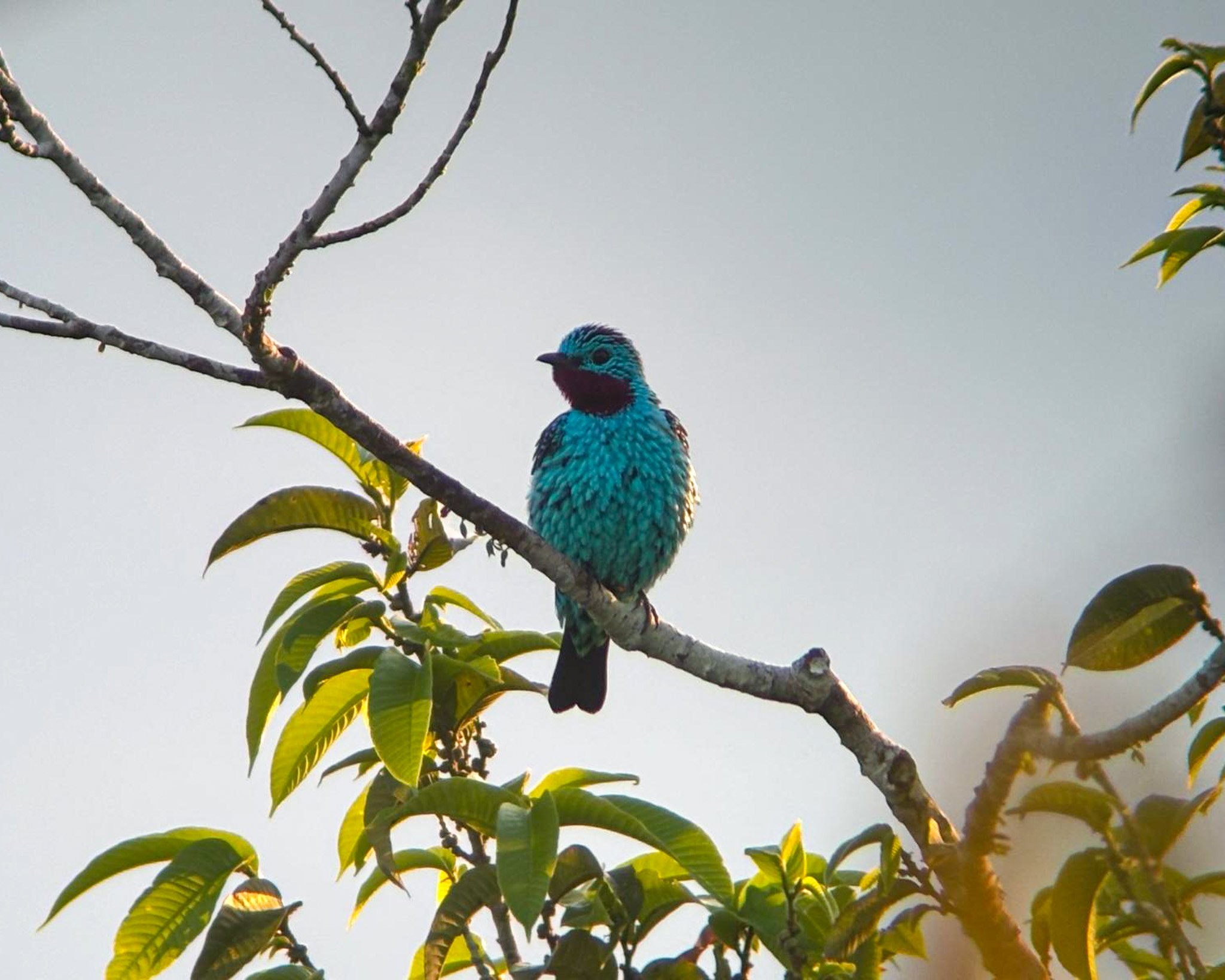
What you need to know about our time in Yasuní is that it was fabulous and I cannot recommend it enough. We saw so many animals, so many birds, and so much flora. I can’t remember what any of them are called now that the months have passed, but I had the time of my life with my little binoculars and mosquito rappelling shirts.
The guides were mind bogglingly impressive in their ability to spot things in that one night we were on the river and in the dark our guide Enrique spotted a boa that was no longer than a pencil from 500 meters away. His flashlight caught its eye. I didn't see the pencil until we were quite literally right under it, shining a laser pointer on it. I would not survive for a single second unaccompanied in those woods.
And now you will get a history lesson.
The land that is now Yasuní National Park is the ancestral home & heart of the Waorani people. For generations, they have been its stewards. In the late 20th century global demand for oil surged & their territory—sitting atop Ecuador's largest untapped reserves—became a target.
There are two different types of land ownership under Ecuadorian law:
Communal/Ancestral Territory: This land is titled to an indigenous nationality or community (like the Waorani). They hold collective, inalienable rights to the land. They have the legal authority to manage it according to their own governance structures and customary laws. They can decide on subsistence activities (hunting, fishing, small-scale agriculture) and, critically, they have the right to be consulted about—and often to consent to—any external projects that affect their land and lives.
National Park: This land is owned and controlled by the State (the nation). It is designated for conservation and managed by the government, historically the Ministry of Environment. While indigenous people may live within a park's boundaries, their land rights are often superseded or exist in a complex, overlapping legal limbo. This is a nice way of saying the government has the final say, the people do not. The state makes the final decisions on resource extraction, infrastructure, and protection levels.
The story of Yasuní is a classic tale of a state consolidating control over valuable frontier lands:
Pre-1979: The Waorani, along with other indigenous groups were the sole inhabitants and de facto stewards of the region. The Ecuadorian state had very little presence.
1979: The government officially creates Yasuní National Park, taking the park out of control of the Waorani. This was not done with Waorani consent. From the state's perspective, it was a conservation move; from the Waorani perspective, it was the state claiming legal title to their home without their agreement. It immediately created a dual reality: the Waorani's ancestral territory now overlapped with state property.
1990: After decades of advocacy, a large portion of Waorani ancestral territory was finally granted a communal land title (the "Waorani Territory"). However, this titled territory overlaps significantly with Yasuní National Park. Think of a map with two layers: one labeled "Waorani Territory," the other labeled "Yasuní National Park," covering much of the same area. I’ll let you reflect on history and draw your own conclusions as to who will be victorious should a conflict ever arise….
2007: In a groundbreaking move, the Ecuadorian government, under President Rafael Correa, proposed the Yasuní-ITT Initiative. The deal was revolutionary in that it posited that Ecuador would leave an estimated 846 million barrels of oil permanently underground, preventing over 400 million tons of CO2 emissions. In exchange, the international community would contribute $3.6 billion—half the oil's estimated value—into a trust fund for sustainable development and conservation. It was a bold bet on global climate ethics. It obviously failed.
2013: with only a fraction of the funds pledged, President Correa abandoned the initiative, calling it a betrayal by the world (or did he simply want to collect his coins? I haven’t researched him enough to know). He authorized oil drilling in Yasuní. The nation, as the park's owner, opened the door to state-owned and private oil companies. Petroecuador (the state company) leads the operations in the ITT block. Other portions of the park and its buffer zones have been auctioned to or are operated by international giants like Repsol (Spain), Andes Petroleum (a Chinese consortium), and PetroOriental (also Chinese).
The legal overlap outlined in the 1990 bullet point is the mechanism the state uses to circumvent indigenous land rights to enable drilling. Here’s how it works:
When an oil company wants to drill, it doesn't negotiate solely with the Waorani as landowners. It gets a concession from the national government. Because the land is a National Park, the state asserts its sovereign right to exploit subsurface resources (oil, minerals), which in Ecuadorian law are separate from surface land rights.
The state is legally obligated (by its own constitution and international agreements) to consult with affected indigenous communities. They manipulate this process.
They often conduct rushed, confusing consultations in Spanish (not Wao Terero), offering benefits like schools, clinics, or cash to divided communities.
They frame it as: "We are going to drill. How can we mitigate the impacts?" rather than "Do you consent to drilling?"
Crucially, under Ecuadorian law, the outcome of this consultation does not have to be consent. The state can proceed even over objections, arguing "national interest."
The state and oil companies exploit internal divisions. They may secure an agreement with one Waorani community near a road or drilling platform, then claim "community consent," while ignoring the protests of the majority of communities downstream or the rights of the uncontacted tribes deeper in the park who are not consulted at all.
Before Yasuní the National Park, the Waorani had de facto control. A foreign oil company would have had to physically and militarily invade their territory to operate. After the creation of the park, the state became the legal landlord and manager. Oil concessions are now awarded by the state, to the state-owned company Petroecuador and its private partners. The Waorani are legally demoted from owners to "stakeholders" who must be "consulted," but whose veto power is stripped away.
The companies drilling in and around Yasuní today (Petroecuador, Repsol, Andes Petroleum, etc.) have contracts with the Ecuadorian government. They operate under the state's military protection because the state, as the "owner" of the national park, has granted them the legal right to be there. The Waorani and other groups who resist are often framed not as landowners defending their property, but as protestors obstructing legal, state-sanctioned economic activity.
The story of Yasuní is not one of a community selling land. It is the story of a government choosing to prioritize oil revenue over the protection of a priceless ecosystem and the rights of its own indigenous peoples (and animals! and plants! might you refer back to how biodiverse Yasuní is!)
And with that, 2025 is wrapped! I visited five new countries (Egypt, Peru, Greece, Malta, Ecuador) and crossed two things off my bucket list (sail down the Nile, see the Amazon rainforest) so all in all, it was a smash of a year!
Looking forward to 2026, I’m headed to Japan in late January (ski bunny Molly to be activated) and we’re headed to Ireland in August to celebrate Bubzie’s retirement. We’re coining it “Retireland.” Anna, Quintin and I will jet to Monza, Italy afterwards for the Monza Grand Prix. Forza Ferrari!!!!
Happy New Year and cheers to a prosperous (and well traveled!) 2026 🥂🎉